Breadalbane — the ancient Highland territory centred on Loch Tay — has a tourist trail, and it's a good one. But the best things here aren't on any trail. They're down unmarked side roads, behind unlocked gates, and at the end of tracks that look like they go nowhere. Here are eight of them.
The trouble with hidden gems is that once you write about them, they’re not hidden any more. We’ve thought about this, and we’ve decided we don’t care. These places are too good to keep to ourselves, and most of them are robust enough to handle a few more visitors. The deserted village isn’t going to get any more deserted.
Here are eight places in the Breadalbane area that reward the curious — the kind of places where you park the car, walk for ten minutes, and find something extraordinary.
1. The South Shore of Loch Tay
Most visitors to Loch Tay stick to the A827 along the north shore, because that’s where the main road goes. Understandable. But the south shore road — a single-track lane that runs from Killin to Kenmore via Ardeonaig — is the far more beautiful route.
The road hugs the lochside, winding through birch woodland and past tiny bays that are perfect for swimming. The old church at Ardeonaig, now a private house, is one of the most picturesque buildings in Perthshire. Several of the bays along this road have rocky promontories that are ideal for wild swimming — accessed by short scrambles through the trees.
The south shore gets a fraction of the traffic. On a weekday in spring or autumn, you might drive the entire 15 miles and see three cars.
2. The MacNab Burial Ground on Innis Buie
In the River Dochart, at the western end of Loch Tay in Killin, there’s a small island called Innis Buie. It’s the ancient burial ground of Clan MacNab, and it’s been in continuous use since at least the 13th century.
Getting there requires a key — held by the Killin Tourist Information centre and local businesses — which opens a gate in the iron bridge railing. Cross the bridge, walk through the grove of ancient trees, and you’re standing in one of the most atmospheric graveyards in Scotland. The clan chiefs are buried here in stone coffins, and the island has a quality of silence that feels genuinely different from the village just a hundred metres away.
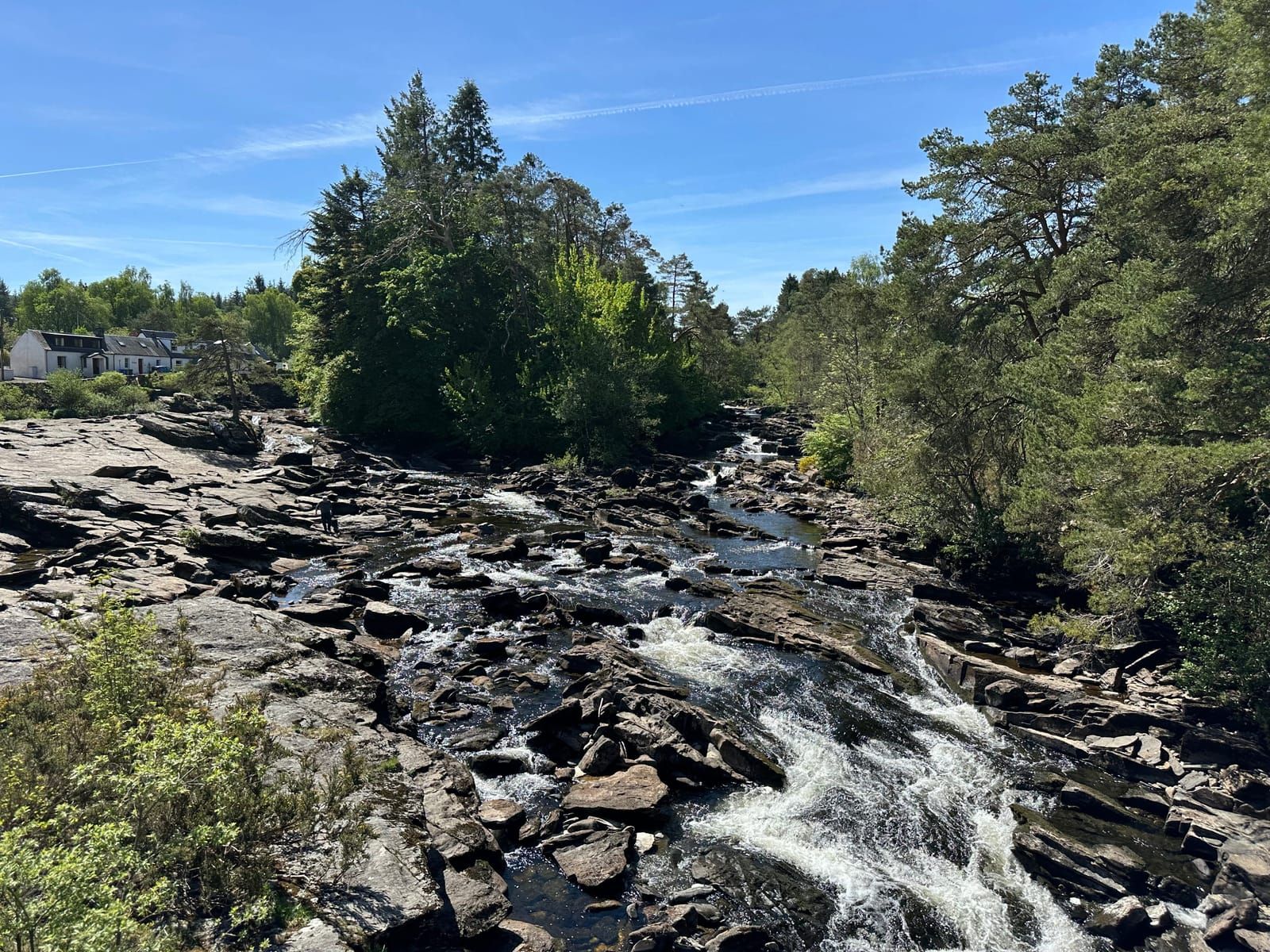
You can see the island from the Falls of Dochart bridge, but most people never cross to it. They should.
3. The Head of Glen Lyon
Glen Lyon is the longest enclosed glen in Scotland — roughly 30 miles from its mouth at Fortingall to the dam at Loch Lyon. Most visitors get about a third of the way in, admire the scenery, and turn around. The really special stuff is further west.
Beyond Bridge of Balgie, the glen narrows and the farmland gives way to wild deer forest. The road climbs through a series of spectacular rocky gorges before opening out into a vast, treeless bowl at the head of the glen. Loch Lyon itself — ringed by mountains and completely silent — feels like the end of the world.
The meadows near Cashlie, about two-thirds of the way in, are some of the richest wildflower habitats in Scotland. In June and July they’re carpeted with orchids, globe-flowers, melancholy thistle, and wood cranesbill. It’s a botanical treasure trove that very few people ever see.
4. The Deserted Village of Tombreck
On the south shore of Loch Tay, near the Tombreck Farm Shop, lie the overgrown remains of a pre-Clearance farming township. The stone walls of houses, barns, and field boundaries are still clearly visible, pushed apart by tree roots and bracken.
These kinds of deserted settlements are scattered throughout the Highlands — silent evidence of the population upheaval of the 18th and 19th centuries — but Tombreck is unusual in how accessible and well-preserved it is. A short walk from the road brings you to walls that were last occupied perhaps 200 years ago.
There are no information boards and no official path. You just walk through the bracken and find yourself standing in someone’s kitchen. It’s a reminder that these glens were once far more populated than they are today.
5. The Waterfalls of Glen Lochay
Glen Lochay runs west from Killin, parallel to Glen Dochart, and it’s the valley that most visitors don’t even know exists. The road is single-track and leads to a dead end at a cluster of sheep farms — which is precisely why it’s so good.
About two miles up the glen, the River Lochay drops through a series of falls and deep pools that are hidden in a wooded gorge just off the road. They’re not signposted. You park at a rough layby, walk through a gate, and follow the sound of water.
The falls aren’t dramatic in the Niagara sense — they’re more a series of cascades and cauldrons — but the setting, enclosed by old oaks and hazels, is magical. On a hot day, the deep pool below the main fall is deep enough to swim in, and cold enough to take your breath away.
6. The Crannog at Fearnan
The Scottish Crannog Centre is well known, but there are dozens of other crannog sites around Loch Tay — most of them invisible except as shadows in the water when conditions are right.
At Fearnan, on the north shore, the remains of a Bronze Age crannog can sometimes be seen as a dark circle just below the surface when the loch level is low. Stand on the pier and look straight out — on a calm, clear day in late summer or autumn, you can make out the timber pilings that have been submerged for 2,500 years.
There were at least 18 crannogs on Loch Tay alone, making it one of the densest concentrations of prehistoric lake dwellings in Europe. Each one represents a family group who chose to live on the water rather than the land — probably for security, but also perhaps for the fishing.
7. The Falls of Acharn
On the south shore of Loch Tay, between the villages of Acharn and Kenmore, a short path leads up through the woods to a spectacular waterfall that tumbles 25 metres into a narrow gorge. In the 18th century, the landowner built an artificial “hermit’s cave” behind the falls — a viewing chamber carved into the rock where visitors could sit and watch the water cascade past.
The hermit’s cave is still there, though somewhat worse for wear. Standing inside it, with the curtain of water in front of you and the loch visible in the distance below, is one of the most unexpectedly thrilling experiences in the area.
The walk from the road takes about 20 minutes, and the path is steep but well-maintained. Most people in Kenmore don’t know the falls exist.
8. Ben Lawers at Sunset
Everyone who walks Ben Lawers starts early and aims for the summit. Fair enough — it’s the highest mountain in the southern Highlands, and the views are spectacular. But the truly extraordinary experience on Lawers is the sunset.
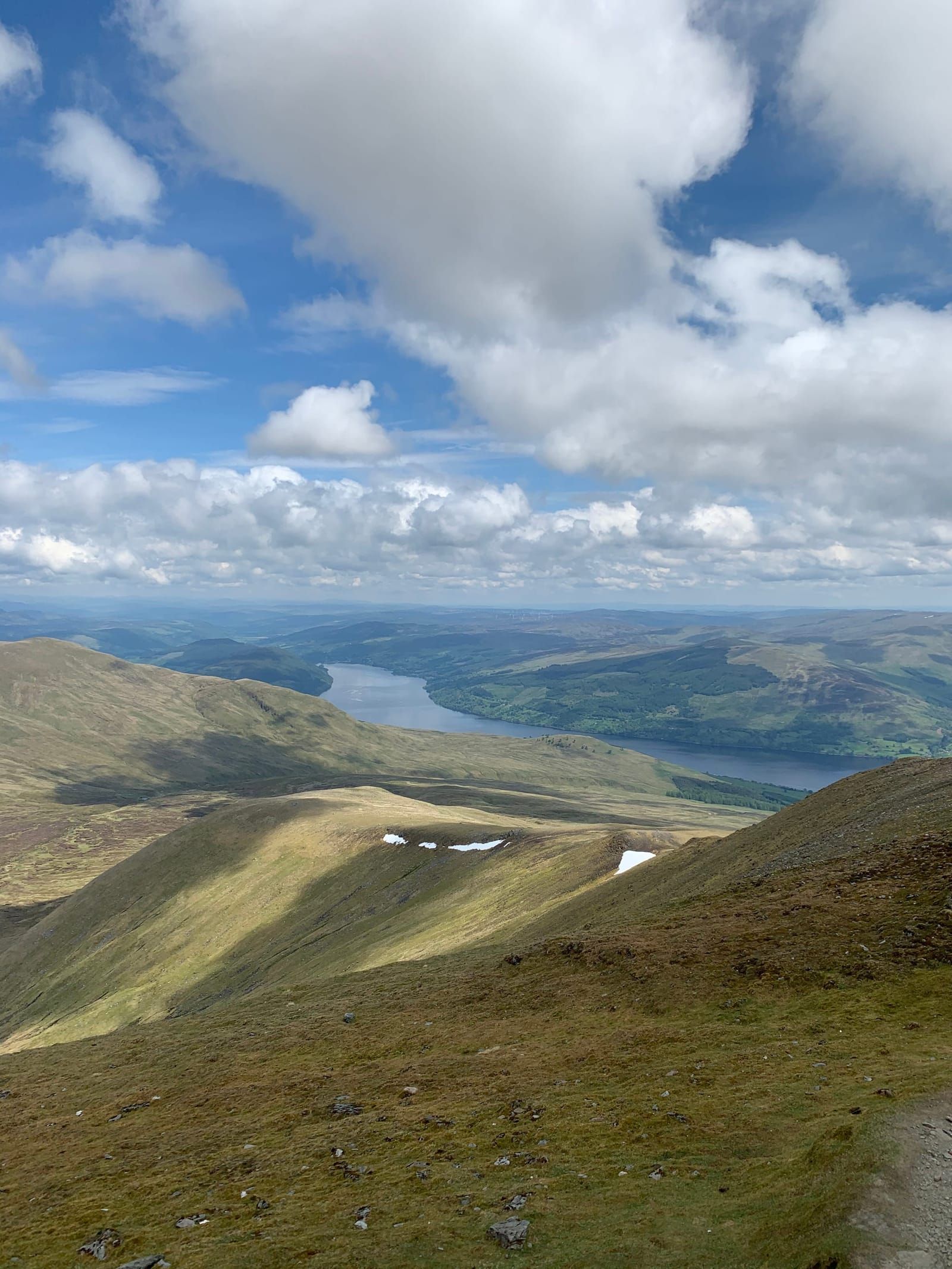
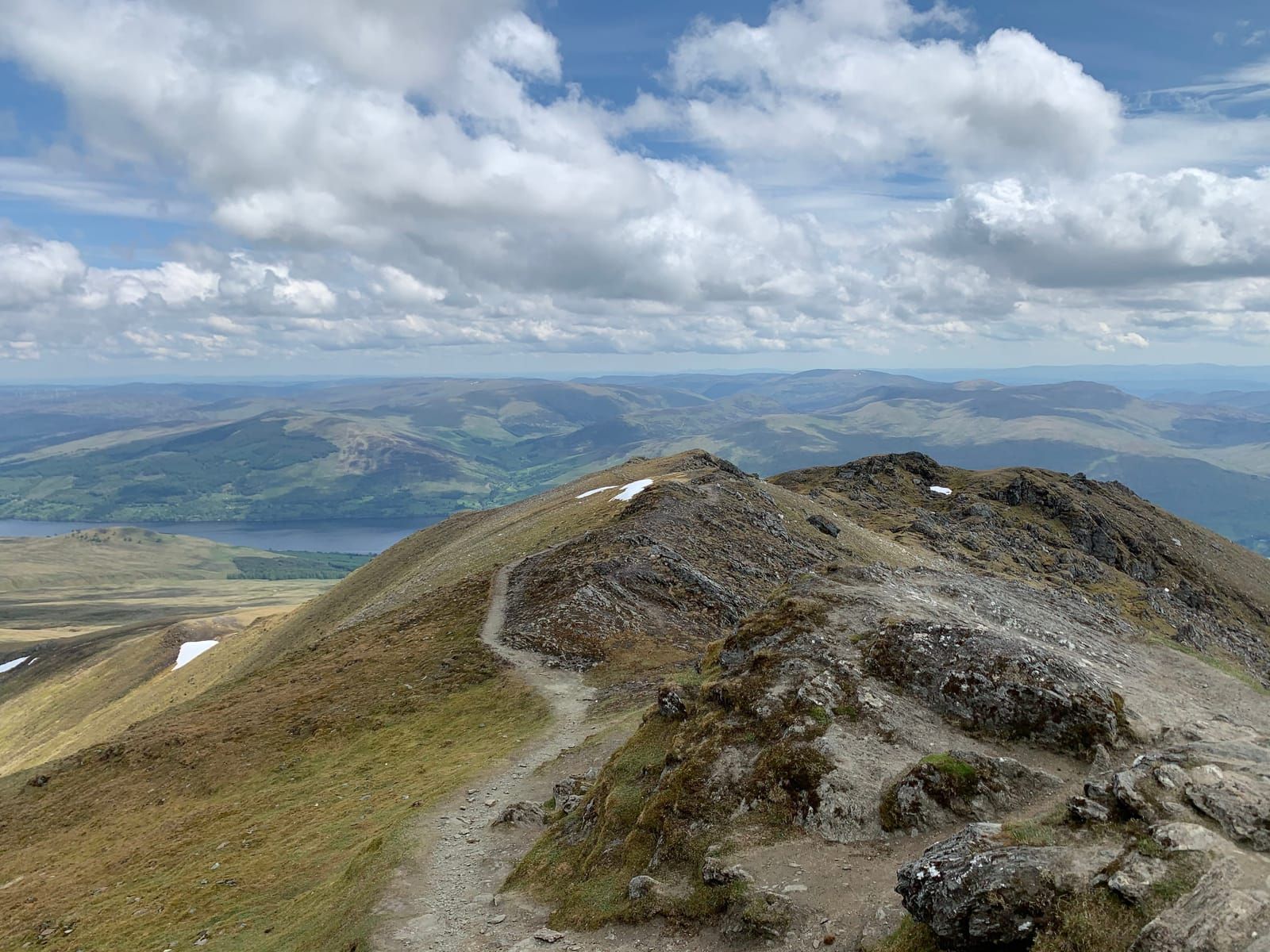
Start late — 4 or 5 PM in summer — and walk up the well-maintained NTS path to the ridge between Beinn Ghlas and Ben Lawers. You don’t need to reach the summit. The ridge at about 1,000 metres gives you an unobstructed view west across Loch Tay, across the Trossachs, and on a clear evening, all the way to Ben Lomond and the Atlantic.
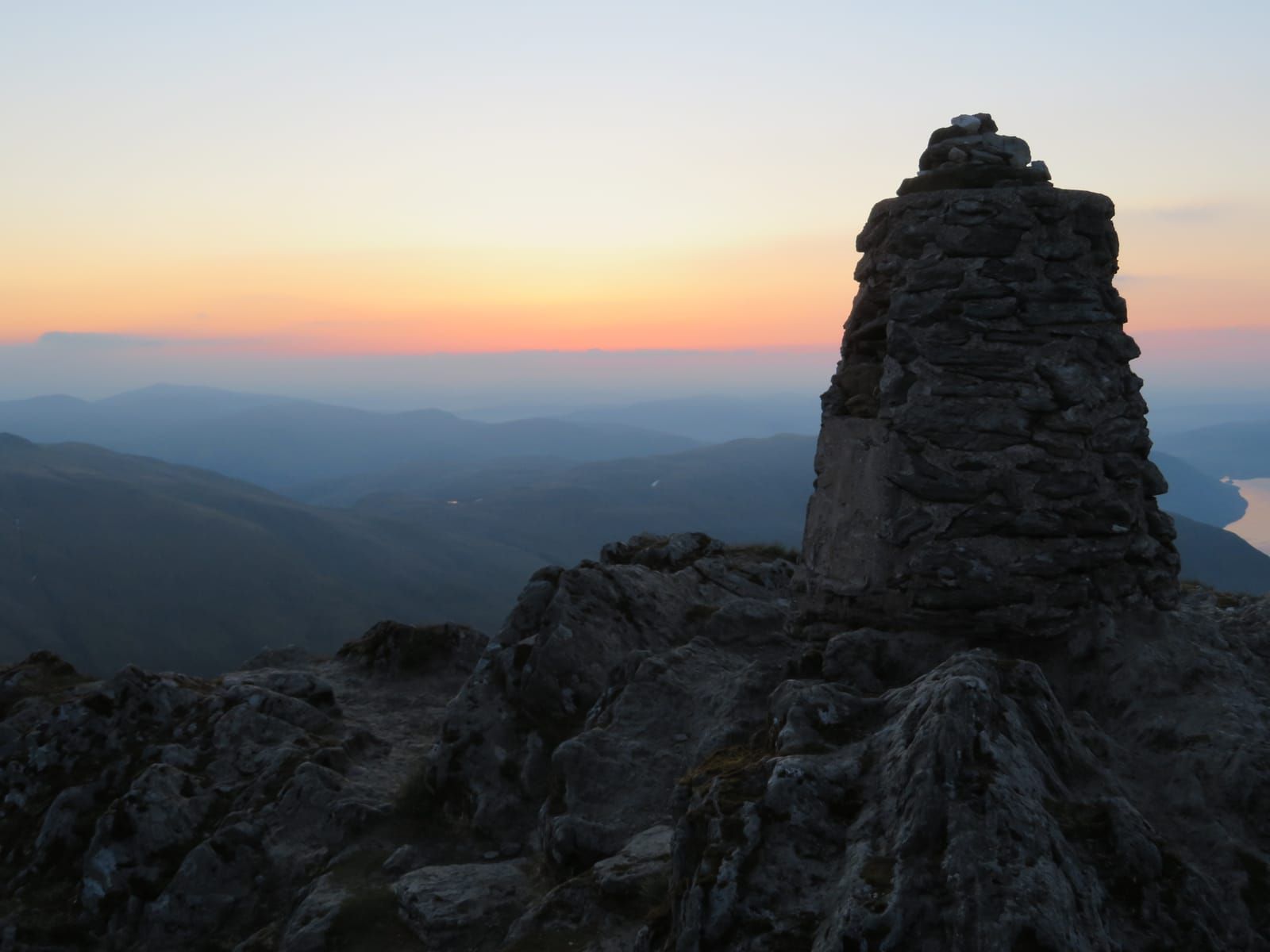
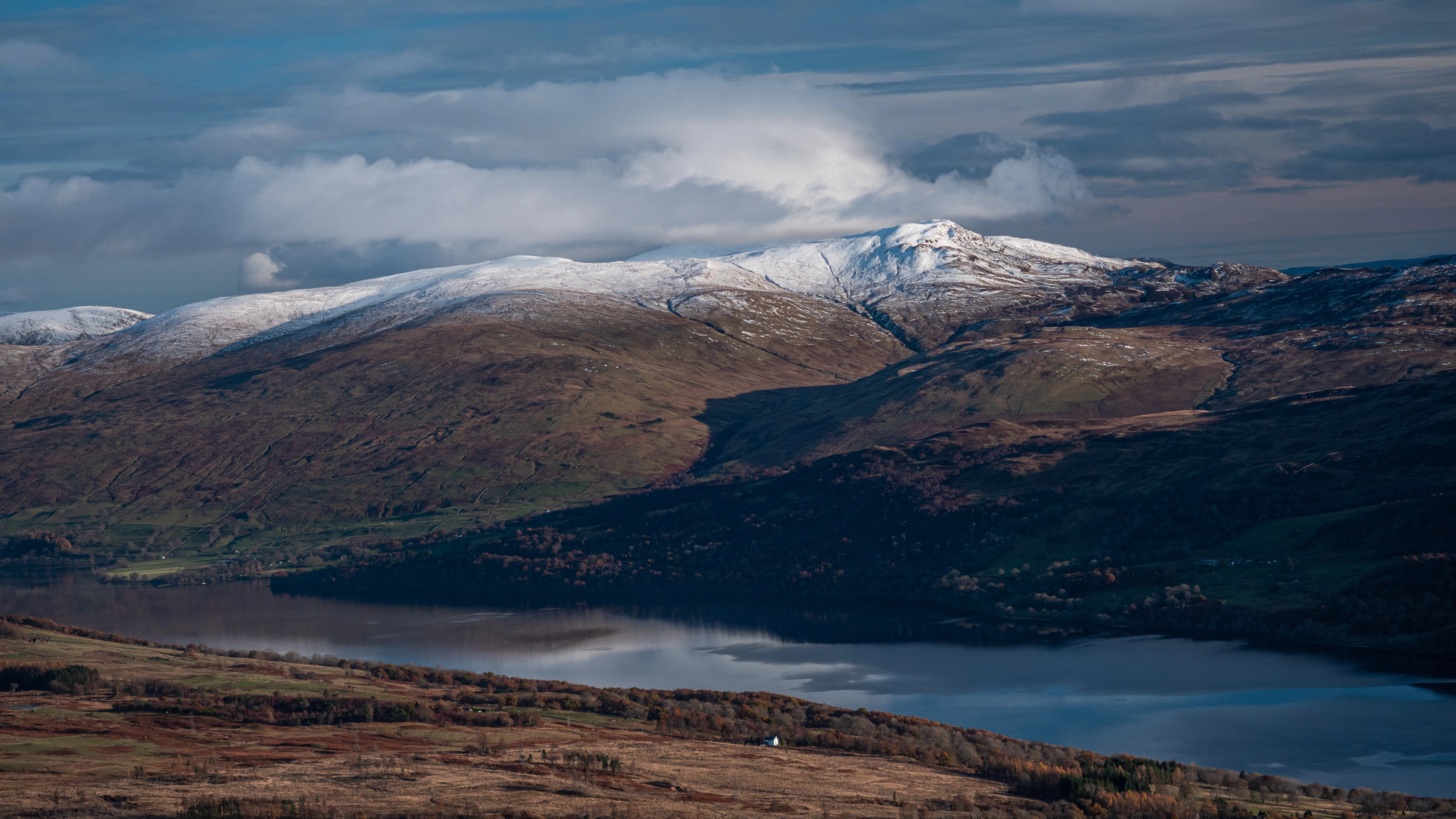
As the sun drops, the loch below turns from blue to gold to copper. The shadows of the mountains lengthen across the glen. The light gets that thick, amber quality that photographers call “golden hour” — except up here it lasts for two hours.
You’ll have the mountain almost entirely to yourself. Everyone else went home at lunchtime.
Why These Places Stay Hidden
The common thread is effort — not much effort, but some. A ten-minute walk off the main road. A willingness to follow a track that doesn’t have a signpost. An afternoon spent driving to the end of a glen that doesn’t have a pub at the end of it.
Breadalbane rewards this kind of curiosity more than almost anywhere else in Scotland. The landscape is dense with history, ecology, and beauty, and very little of it has been packaged or marketed. The Falls of Dochart get the bus tours. These eight places get the people who are paying attention.
Mentioned in this guide
Scottish Crannog Centre
Kenmore
Award-winning open-air museum with a reconstructed Iron Age crannog on Loch Tay — one of Scotland's best heritage experiences.
Tombreck Farm Shop
Lawers
Organic rare-breed farm on the south shore of Loch Tay, selling free-range pork, venison, lamb, and more direct from the land.