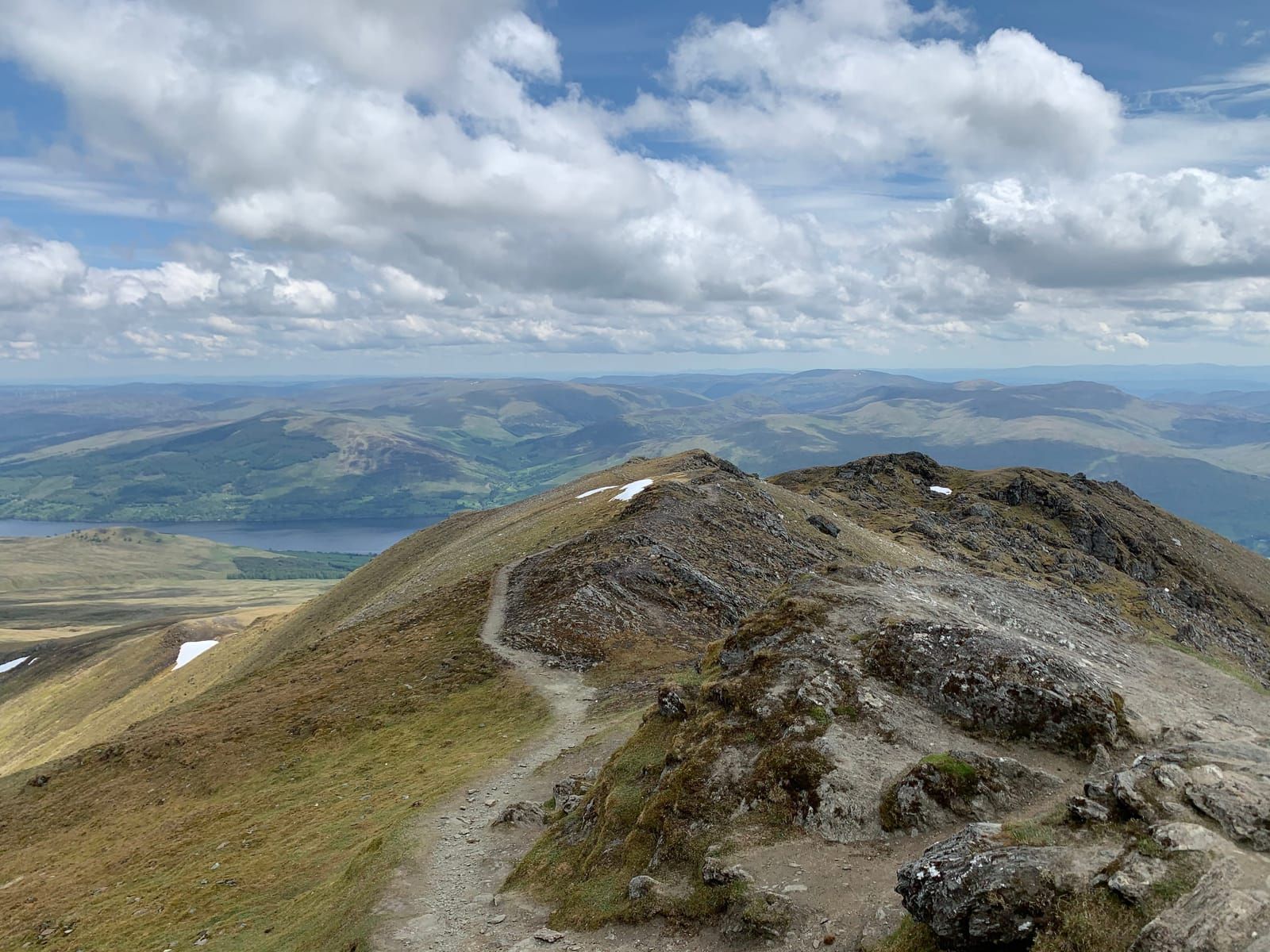
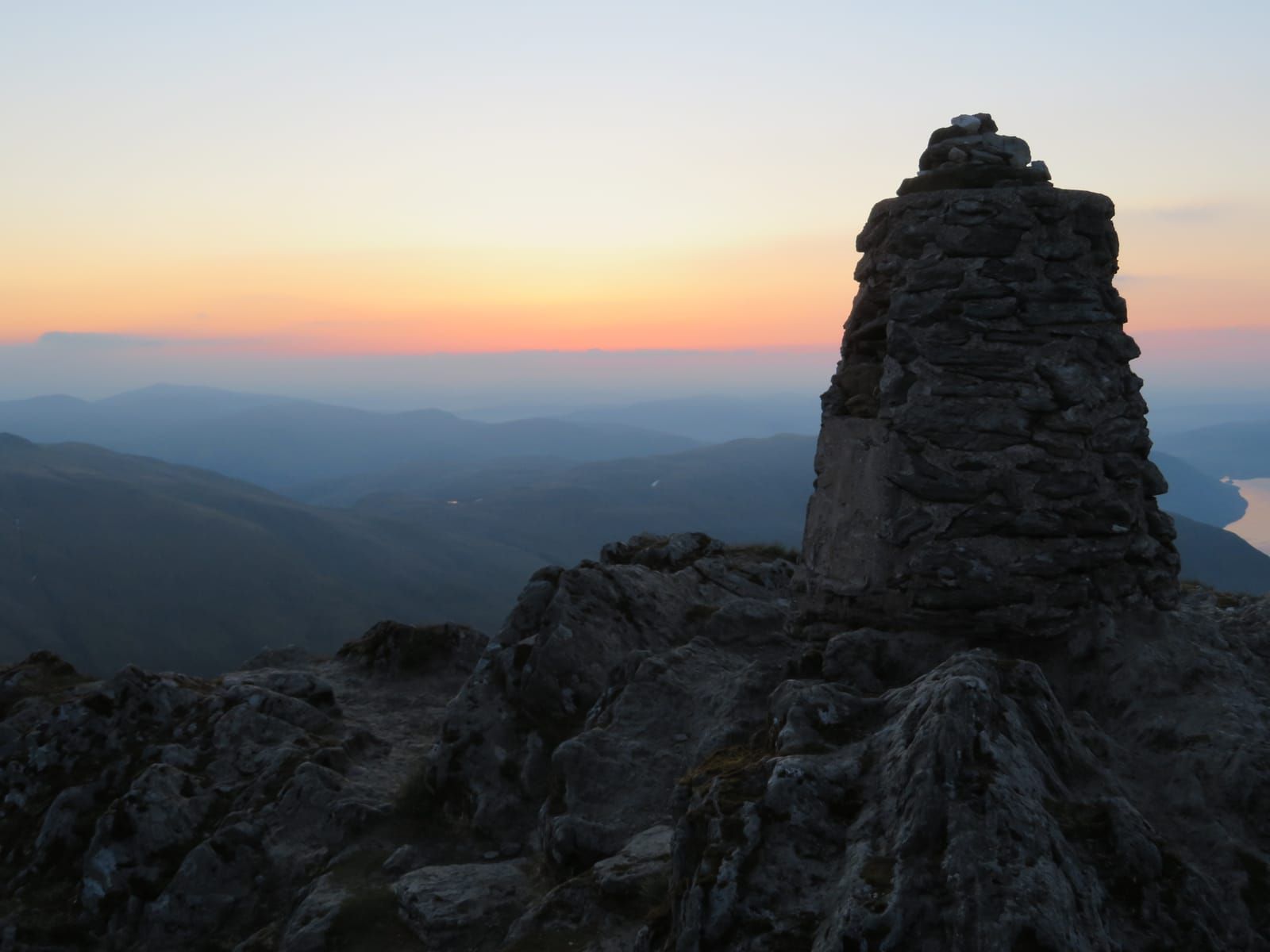
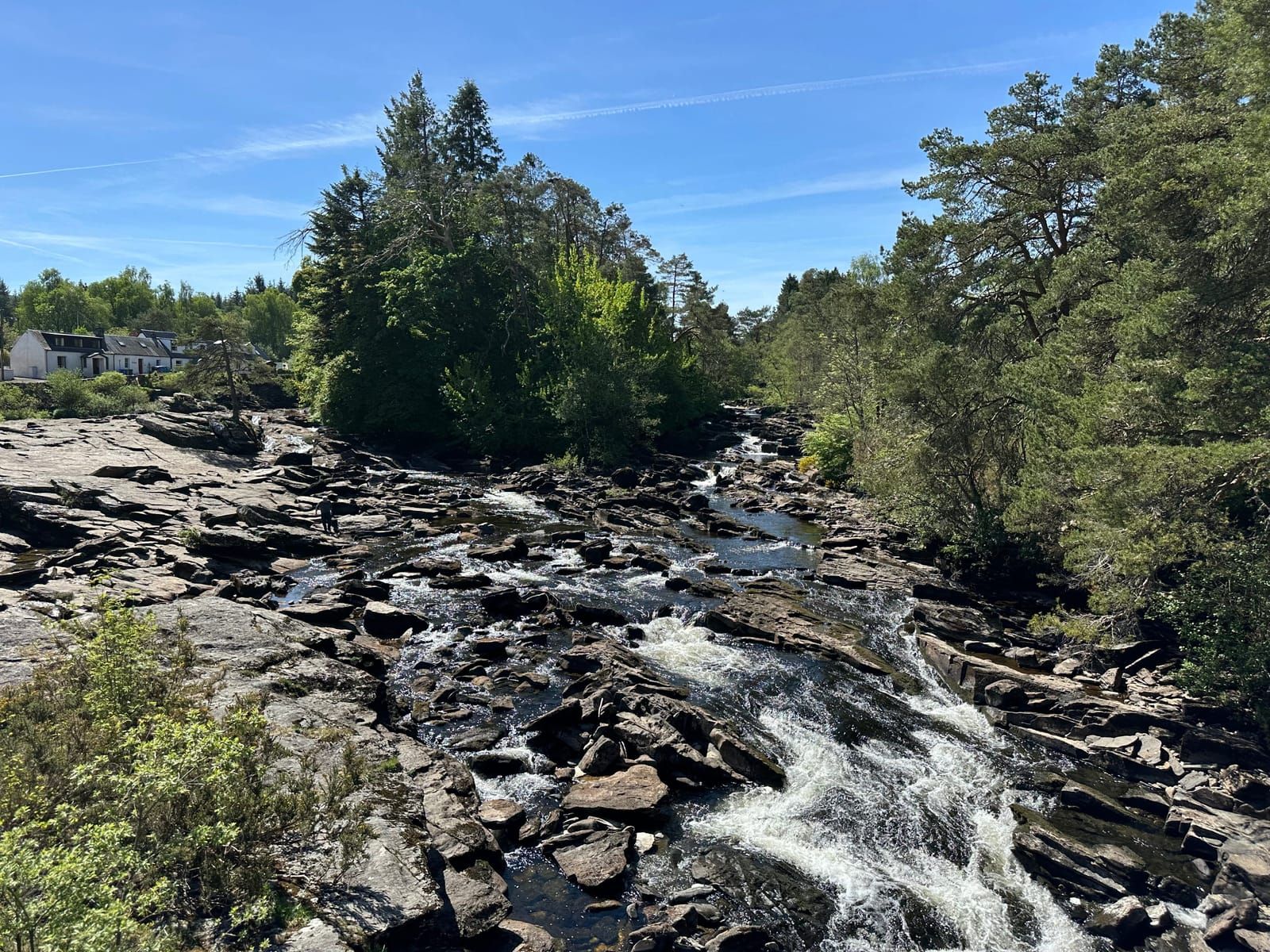
Perthshire likes to call itself 'Big Tree Country', which makes it sound like a forestry brochure. But behind the marketing sits one of the most historically strange, geographically fascinating, and culturally rich counties in Scotland. Here are seven things you almost certainly didn't know.
Perthshire is one of those places that people think they know. Rolling farmland. Big houses. Golf. Whisky. And yes, there’s all of that. But dig a little deeper and Perthshire turns out to be one of the strangest, most surprising counties in Scotland — a place where geographical extremes, ancient mysteries, and improbable historical claims all collide.
Here are seven facts that will make you see it differently.
1. It Contains the Oldest Living Thing in Europe
In the churchyard of the tiny village of Fortingall — population roughly 50 — stands a yew tree that is estimated to be between 3,000 and 5,000 years old. If the upper estimate is correct, this tree was already ancient when the Egyptian pyramids were being built.
The Fortingall Yew has been a site of fascination for centuries. In the 18th and 19th centuries, tourists hacked off so many branches as souvenirs that the tree was enclosed in a stone wall, which still protects it today. What was once a single massive trunk has split into several fragments, making it look like a group of smaller trees — but DNA analysis confirms it’s all one organism.
Even more remarkably, in 2015 botanists noticed that one branch of the tree — which has been male for its entire recorded history — had begun producing female berries. After several thousand years, the Fortingall Yew appears to be changing sex. Scientists remain baffled.
The yew is a ten-minute walk from the road through Glen Lyon, and is one of the most quietly extraordinary things you can visit anywhere in Scotland.
2. Scotland’s Geographic Centre Is Here
The precise geographic centre of mainland Scotland — the point equidistant from its northernmost, southernmost, easternmost, and westernmost extremes — has been calculated to lie just north of the village of Dalwhinnie, depending on the methodology used. But several calculations place it within the broader Perthshire region, near the meeting point of Glen Garry and the A9.
What’s beyond dispute is that Perthshire sits at the physical heart of Scotland. The county straddles the Highland Boundary Fault — the geological fracture line that divides Highland Scotland from Lowland Scotland. You can literally stand on the fault line (it runs through the Pass of Leny near Callander, and through the shores of Loch Tay) and have one foot in the Highlands and one in the Lowlands.
This geographic centrality is why Perthshire has always been contested territory. The Romans, the Picts, the Vikings, Edward I, Robert the Bruce, Bonnie Prince Charlie — everyone wanted to control this junction. The landscape is littered with standing stones, hill forts, castles, and battlefields as a result.
3. Pontius Pilate May Have Been Born Here
This is one of Scotland’s most enduring legends, and it’s connected to that same tiny village of Fortingall. According to a persistent local tradition, Pontius Pilate — the Roman prefect who sentenced Jesus Christ to crucifixion — was born in Fortingall, the son of a Roman diplomat who had been stationed among the Pictish tribes.
Is it true? Almost certainly not, in the strict historical sense. The mainstream view is that Pilate was from Samnium in central Italy. But the legend has a kernel of plausibility: the Romans did have diplomatic contact with the Pictish kingdoms of northern Scotland in the 1st century BC, and Fortingall’s location at the mouth of Glen Lyon — a natural route into the Highlands — would have made it a logical meeting point.
The village takes the legend seriously enough. A plaque near the Fortingall Yew commemorates the connection, and the local hotel (the Fortingall Hotel) has been serving visitors drawn by the story for over a century.
Whether Pilate was born here or not, the legend tells you something real about Perthshire: this has been a crossroads for a very, very long time.
4. It Has the Tallest Hedge in the World
The Meikleour Beech Hedge, near Blairgowrie, is 530 metres long and over 30 metres high. It’s been in the Guinness Book of Records as the world’s tallest hedge since records began, and it’s one of the most surreal things you’ll see on any Scottish road trip.
The hedge was planted in 1745 — the year of the Jacobite Rising — by men from the Meikleour estate. Legend has it that many of them were killed at the Battle of Culloden the following year, and the trees were left to grow wild as a living memorial. Whether or not the story is true, the hedge has been growing unchecked (apart from periodic trimming) for nearly 280 years.
Trimming it is a major operation. The task takes a team of four people approximately six weeks, using a cherry picker that can reach the full height. It was last fully trimmed in the early 2020s. Driving past it on the A93 is a genuinely strange experience — a wall of copper-leaved beech that seems to go on forever.
5. Perth Was Scotland’s Capital for 500 Years
Before Edinburgh assumed the role, Perth was effectively the capital of Scotland. The Stone of Scone — the sacred stone on which Scottish (and later British) monarchs were crowned — was kept at Scone Palace, just north of Perth, from at least the 9th century until Edward I seized it in 1296.
Medieval Perth was the seat of parliament, the location of the royal court, and the centre of Scotland’s wool trade. James I was murdered here in 1437 (in the sewers beneath the Blackfriars Monastery, after his tennis-playing page blocked the escape route). The city was besieged, sacked, and rebuilt repeatedly throughout the Wars of Independence and the Reformation.
Perth’s status as “the fair city” — the name comes from Sir Walter Scott’s novel The Fair Maid of Perth — belies a turbulent history. Today it’s a pleasant, understated county town, but for half a millennium it was the most important city in the kingdom.
6. It Was the Centre of Scotland’s Whisky Smuggling Industry
Before the Excise Act of 1823 made legal distilling economically viable, Perthshire was the beating heart of Scotland’s illegal whisky industry. The remote glens of Breadalbane — Glen Lyon, Glen Lochay, Glen Dochart — were riddled with illicit stills, hidden in bothies, caves, and sheepfolds where the excisemen couldn’t easily reach them.
The geography was perfect. High, remote glens with abundant peat and clean water. Networks of drove roads for moving the finished product. And a local population that had been distilling since time immemorial and had no intention of stopping just because Parliament said so.
The Dewar’s Aberfeldy Distillery, established in 1898, was one of the first legal distilleries in the area — but the tradition of distilling here is centuries older. When you drink a Perthshire whisky, you’re tasting a spirit with genuinely outlaw origins.
7. The Landscape Was Shaped by a Geological Catastrophe
About 10,000 years ago, at the end of the last Ice Age, Perthshire experienced a geological event of staggering violence. As the glaciers that had covered the Highlands retreated, the weight they had pressed on the land was suddenly released. The earth’s crust, freed from billions of tonnes of ice, began to rise — and in several places, it cracked open.
Glen Tilt, north of Blair Atholl, is the most dramatic evidence of this process. The glen follows a fault line where two entirely different types of rock — granite and schist — sit side by side. In 1785, the geologist James Hutton visited Glen Tilt and found veins of red granite running through the grey schist, providing the first clear evidence that the earth’s crust was formed by heat and pressure, not by divine creation. It was a discovery that helped launch modern geology.
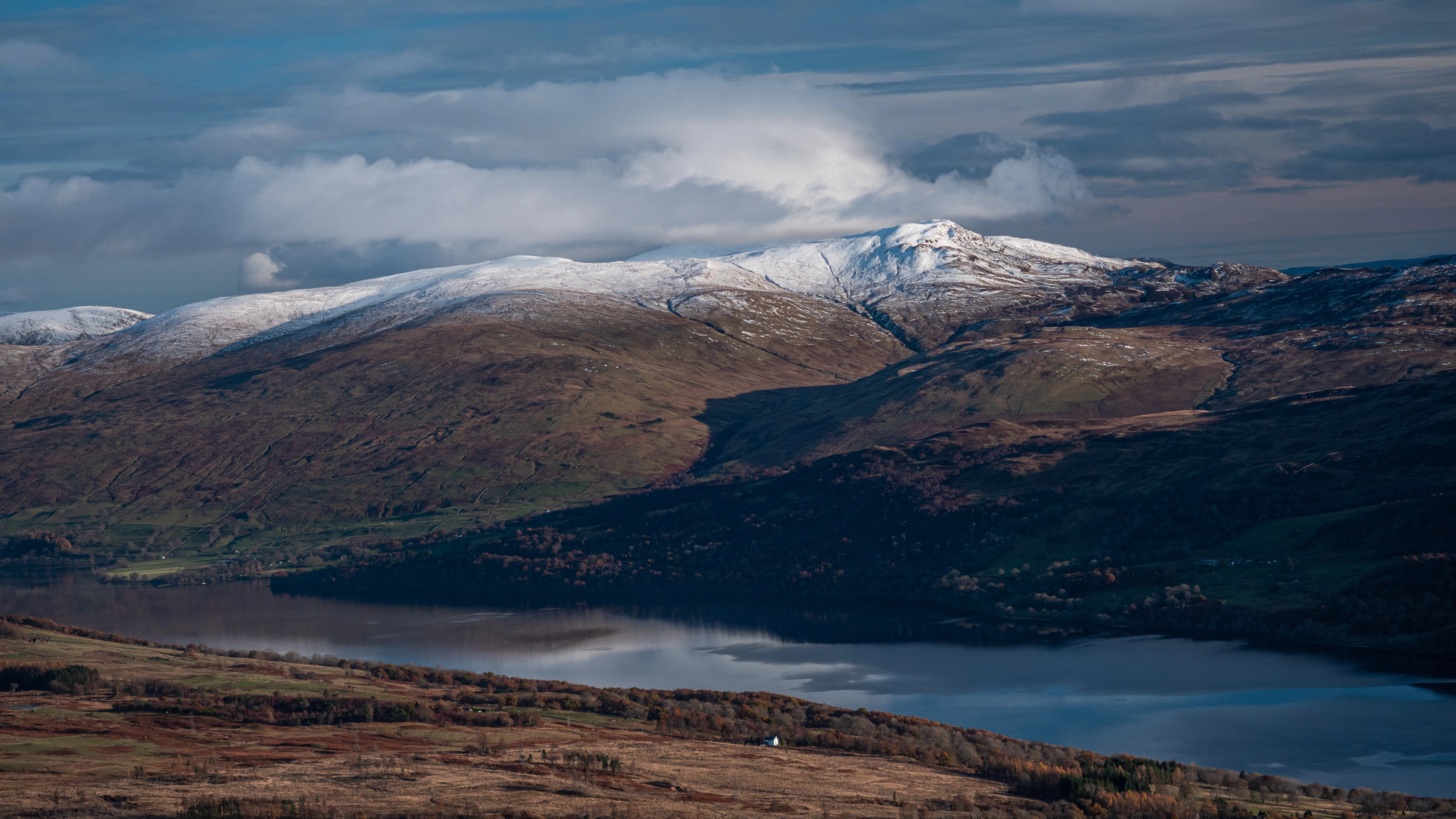
The lochs of Perthshire — including Loch Tay — are also relics of the ice age. They sit in glacial troughs carved by ice sheets up to a kilometre thick. When you look at Loch Tay’s 155-metre depth, you’re looking at the footprint of an ice cube the size of a mountain range.
The Bigger Picture
Perthshire’s genius is that it doesn’t shout about any of this. There are no theme parks, no heritage experiences with costumed actors, no “Scotland’s oldest tree — admission £12.50.” The Fortingall Yew stands in an open churchyard. The Meikleour Hedge is just there, by the road. The geological fault lines are hidden in plain sight.
That’s what makes it such a rewarding place to explore. The landscape tells its stories quietly, and the more you know, the more you see. A loch isn’t just a loch — it’s a glacial wound. A yew tree isn’t just a tree — it’s a witness to every century of recorded human history. A whisky isn’t just a drink — it’s the end product of 500 years of defiance.
If you’re visiting Loch Tay, you’re already in the heart of it. And now you know what you’re looking at.
If this kind of cultural depth appeals to you, it’s worth knowing about Historic Ally Tours — bespoke guided tours of Scotland led by BBC presenter Alistair Heather, whose itineraries pass through Highland Perthshire and Stirling. His tours are built around exactly this kind of storytelling: the hidden histories, the tradition bearers, and the landscapes that make Perthshire extraordinary.
Mentioned in this guide
Fortingall Hotel
Fortingall
Elegant country hotel with an outstanding restaurant, near the ancient Fortingall Yew and Glen Lyon.
Fortingall Yew
Fortingall
One of the oldest living things in Europe — an ancient yew tree estimated at 3,000–5,000 years old, in the peaceful Fortingall churchyard.
Dewar's Aberfeldy Distillery
Aberfeldy
One of Scotland's finest Highland malt distilleries — tours, tastings, and an exceptional visitor shop.
Historic Ally Tours
Stirling
Bespoke and small-group Scottish cultural tours with BBC presenter Alistair Heather — history, music, whisky, and storytelling.