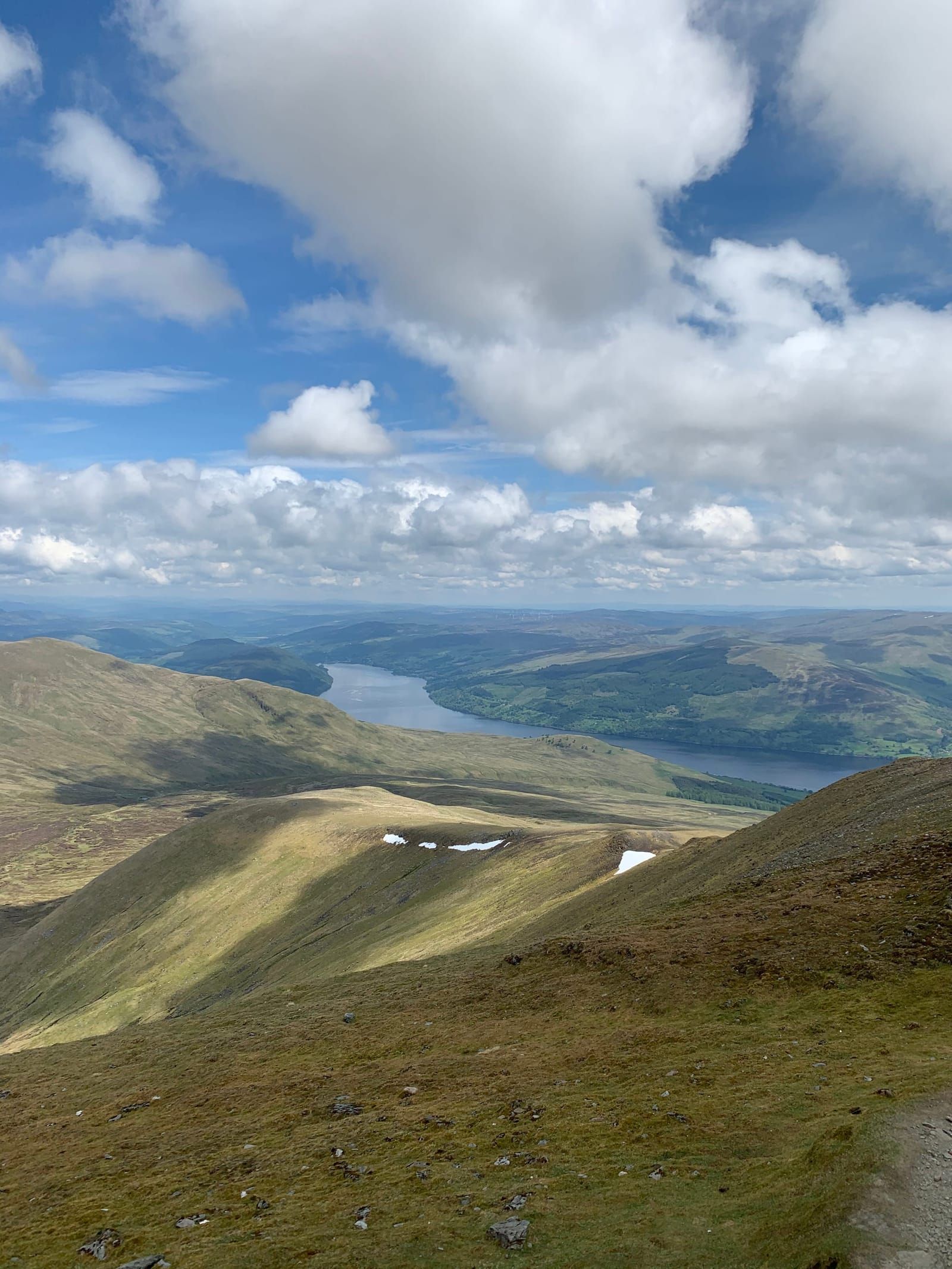
Discover the complete guide to Loch Tay — from stunning walks and watersports to cosy accommodation and world-class dining. Plan the perfect Highland escape.
Loch Tay is one of Scotland’s most beautiful and unspoilt freshwater lochs, stretching 14.5 miles through the heart of the Breadalbane Highlands in Perthshire. Flanked by the mighty Ben Lawers range to the north and rolling hills to the south, this is a landscape that has captivated visitors for centuries — yet it remains wonderfully uncrowded compared to more famous Scottish destinations like Loch Lomond, Loch Ness, or the Isle of Skye.
Whether you’re here for a weekend of hiking and wild swimming, a romantic retreat in a lochside lodge, a family adventure packed with watersports and wildlife, or a week-long immersion in one of Scotland’s richest natural and historical landscapes, Loch Tay delivers in every season. This guide covers everything you need to plan an unforgettable visit.
Why Visit Loch Tay?
Loch Tay sits at the geographic heart of Scotland, making it surprisingly accessible from Edinburgh (around 90 minutes by car), Glasgow (under 2 hours), and even Inverness (around 2.5 hours via the A9). Yet the moment you arrive — particularly if you approach via the dramatic Pass of Glen Ogle from the west, or down through the ancient pines of Glen Lyon from the north — you feel a world away from city life. The air is cleaner, the skies are bigger, and the pace is slower.
Here’s what makes Loch Tay special:
- Dramatic scenery — The loch is framed by Munros, ancient forests, and rolling farmland. Ben Lawers (1,214m), Scotland’s 10th highest peak, dominates the northern skyline, while the gentler hills to the south provide a softer counterpoint.
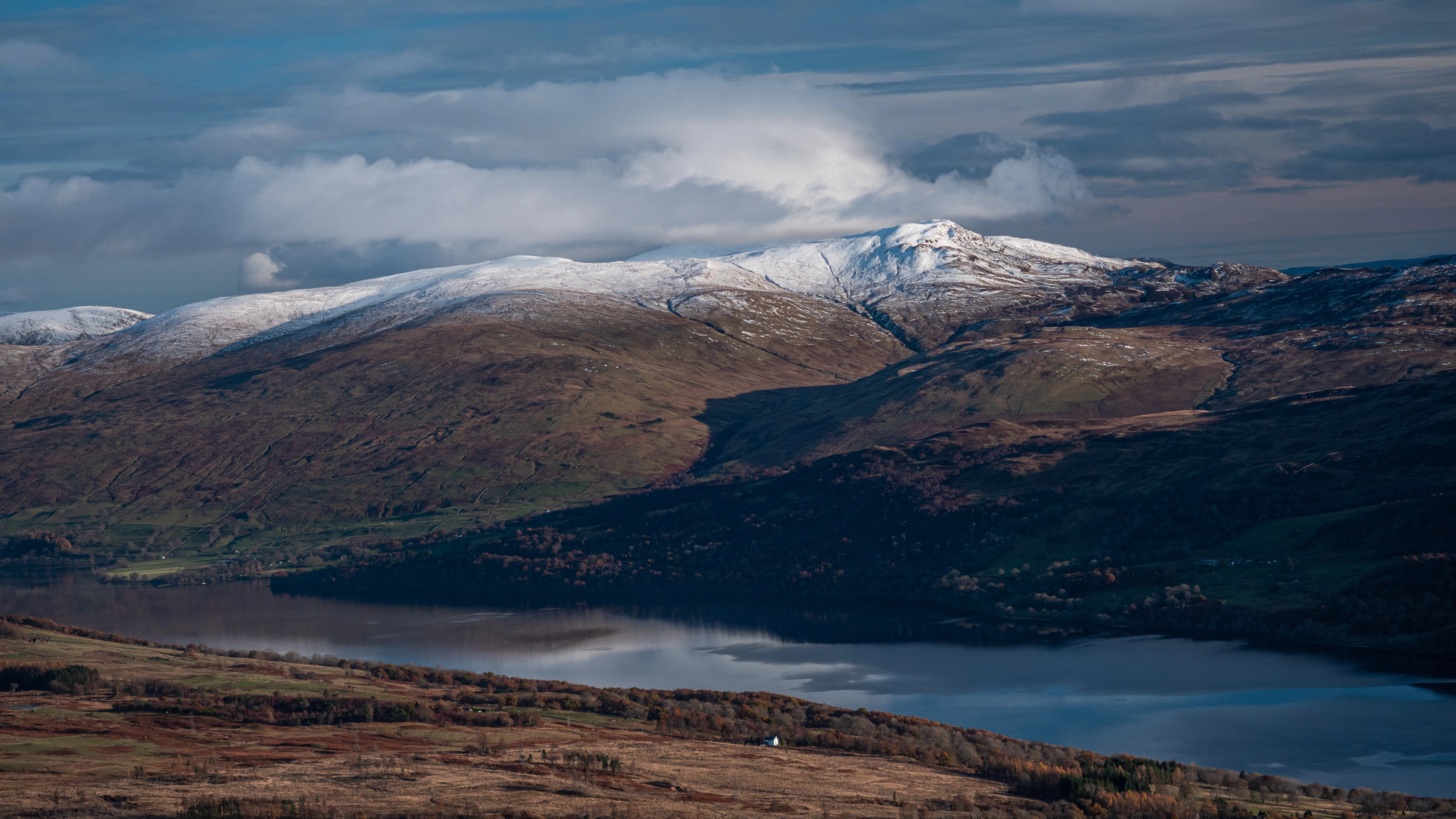
- Year-round appeal — Summer brings long days for kayaking and hiking; autumn delivers some of Scotland’s most spectacular colours; winter is perfect for cosy pub fires, crisp hill walks, and snow-dusted mountains; spring sees lambing season, wildflower meadows, and the return of migrating birds.
- Quiet authenticity — This isn’t a manicured tourist trap. It’s a living, working landscape with genuine Highland hospitality, working farms, and communities that have been here for generations.
- Rich history — From Iron Age crannogs to Clan MacNab country to the birthplace of Europe’s oldest living thing (the Fortingall Yew), history is woven into every mile of the loch’s shoreline and the glens that surround it.
- Exceptional wildlife — Golden eagles, ospreys, red squirrels, red deer, otters, and a rich variety of bird life make this one of Scotland’s finest areas for nature watching.
Where Is Loch Tay?
Loch Tay runs roughly east to west through Highland Perthshire. The charming village of Killin sits at the western end, where the River Dochart tumbles over the famous Falls of Dochart before entering the loch. At the eastern end, the pretty village of Kenmore marks where the loch feeds into the River Tay — Scotland’s longest river and Britain’s most prolific salmon waterway.
Between these two villages, you’ll find scattered settlements including Ardeonaig, Lawers, and Fearnan on the south shore, and the road along the north shore (the A827) passes through open countryside beneath the Ben Lawers National Nature Reserve. The south shore road is a narrow single-track lane that feels considerably more remote and atmospheric than the main north road.
A Brief History of Loch Tay
The area around Loch Tay has been inhabited for at least 5,000 years, and the layers of human history here are remarkably rich:
- Neolithic and Bronze Age (3000–800 BC): Evidence of early settlement exists in the form of standing stones, burial cairns, and cup-and-ring marked rocks found in the surrounding glens. The fertile land around the loch’s shores attracted some of Scotland’s earliest farming communities.
- Iron Age (800 BC–AD 400): Loch Tay was home to crannog-dwellers — people who built wooden roundhouses on stilts over the shallow waters of the loch. At least 18 crannogs have been identified in Loch Tay, making it one of the richest crannog lochs in Scotland. The Scottish Crannog Centre near Kenmore reconstructs this remarkable way of life.
- Early Medieval (AD 400–1000): The arrival of Christianity brought monks like St Fillan, who established a religious community in the area. The Breadalbane region became part of the kingdom of the Picts, then Scotland.
- Clan Period (1000–1750): The area was dominated by the powerful Clan Campbell (the Earls and later Marquesses of Breadalbane), with Clan MacNab holding territory around Killin. Taymouth Castle near Kenmore was the Campbell seat and one of the grandest Highland estates.
- 18th–19th Century: The Clearances and agricultural changes transformed the landscape, depopulating some settlements and converting others to sheep farms. The arrival of tourism in the Victorian era brought new life to the area, with the railway reaching nearby stations.
- Modern Era: Today, Loch Tay is a thriving destination for outdoor recreation, nature conservation, and rural tourism, while maintaining its character as a working Highland landscape.
What to Do at Loch Tay
Walking & Hiking
The area offers walks for every ability, from gentle lochside strolls to serious Munro-bagging on some of Scotland’s highest peaks:
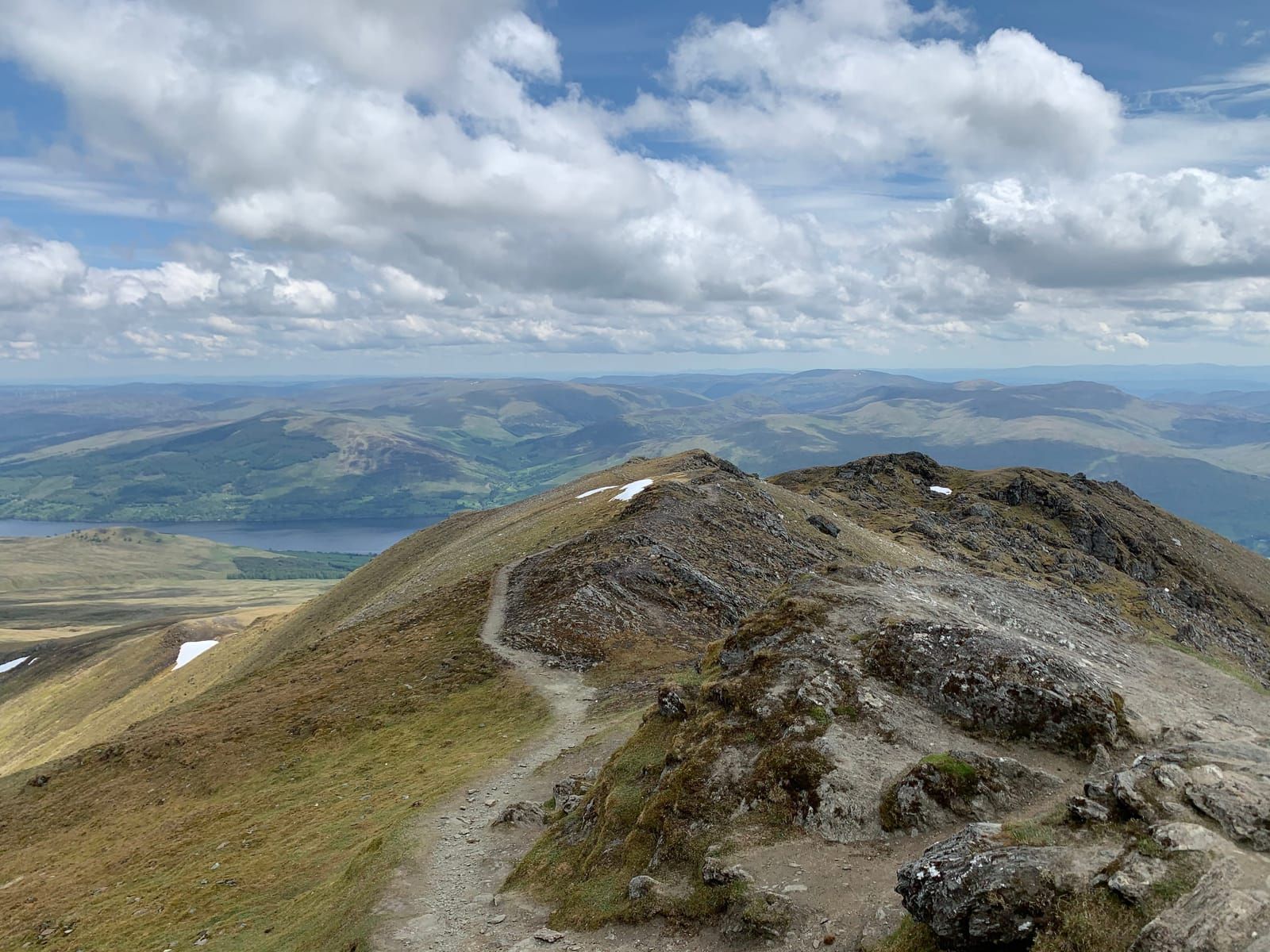
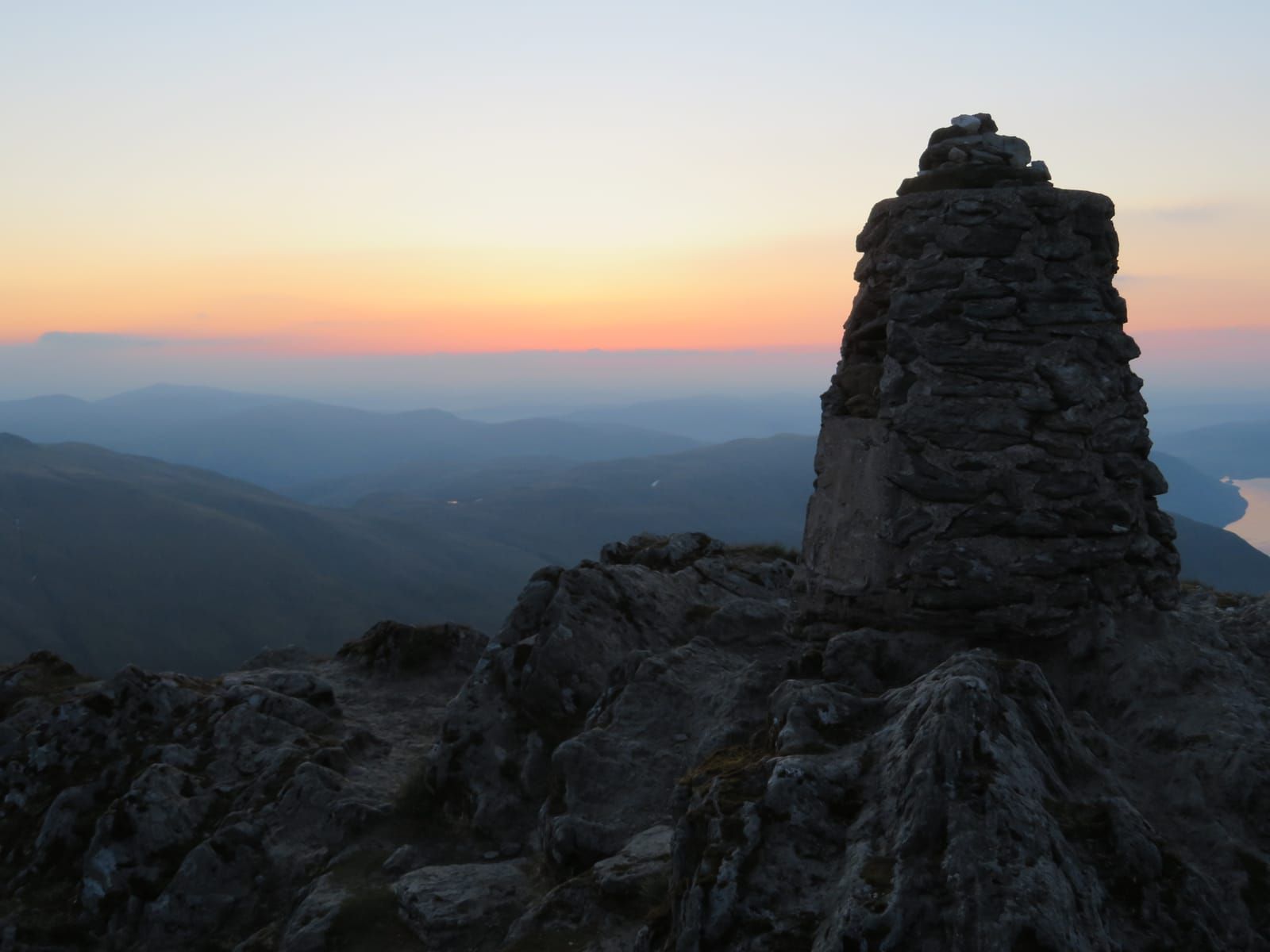
- Ben Lawers — The classic Munro walk, climbing via Beinn Ghlas to the highest summit in the southern Highlands (1,214m). Stunning views on clear days extending to Ben Nevis, the Cairngorms, and the Forth. The NTS car park at 450m gives a head start. Allow 5–6 hours return.
- Meall nan Tarmachan Circuit — A dramatic horseshoe ridge walk accessible from the same road as Ben Lawers. Includes mild scrambling and superb views. One Munro plus three tops in approximately 5–6 hours.
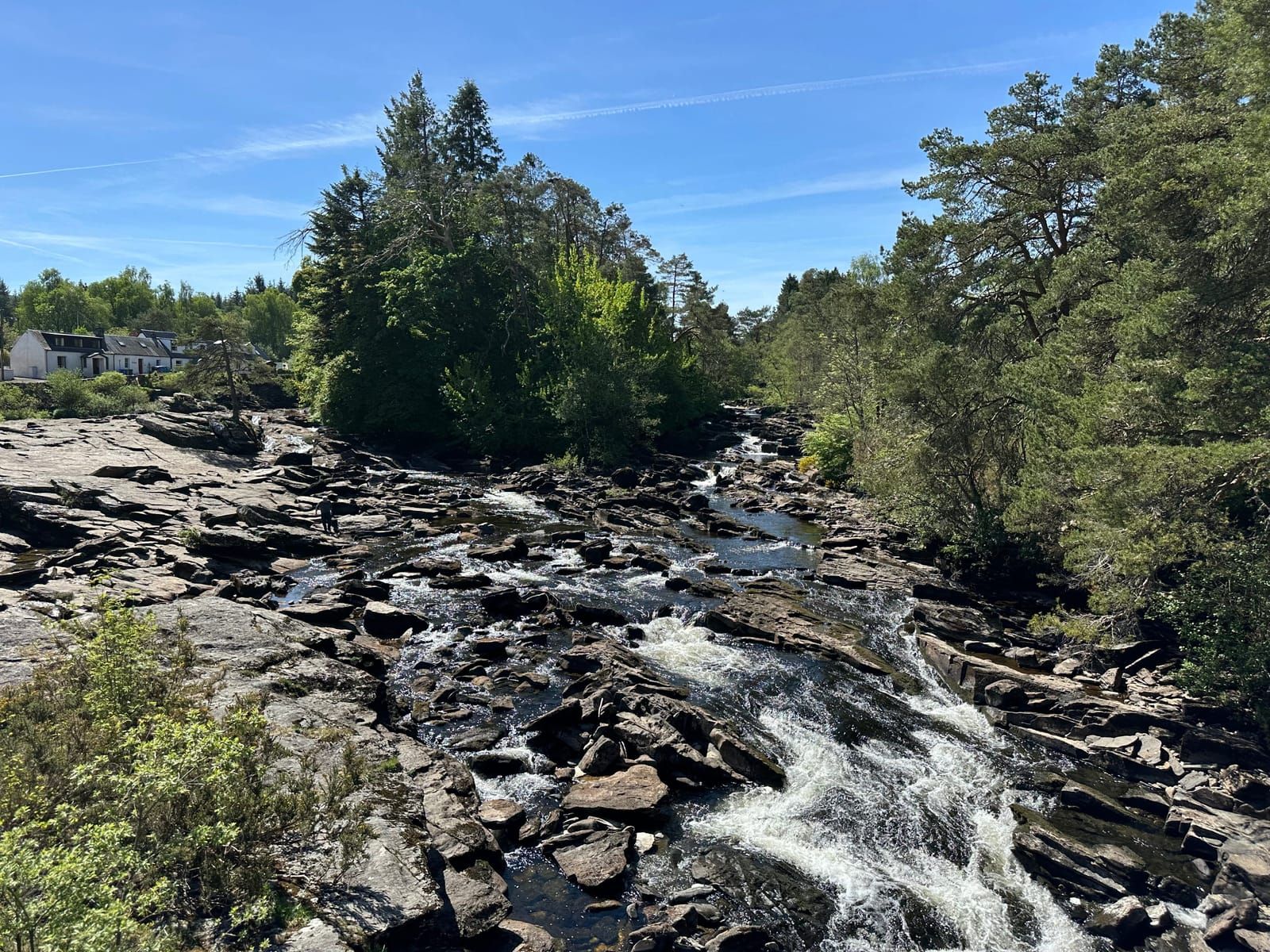
- Falls of Dochart — A short but spectacular walk right in Killin village, visiting the thundering falls, the Clan MacNab burial island, and the river banks. Free and accessible.
- Glen Lyon — Scotland’s longest enclosed glen, stretching over 30 miles from Fortingall to the dam at Loch Lyon. Perfect for a full day’s exploration by car or bike, with numerous short walks branching off into the surrounding hills.
- Rob Roy Way — A 79-mile long-distance trail from Drymen to Pitlochry that passes through Killin and along the north shore of Loch Tay. Walk a section or tackle the whole route over several days.
- South Loch Tay road walks — The quiet single-track road along the south shore makes for excellent easy walking with constant loch views. The section from Ardeonaig towards Kenmore is particularly scenic.
Watersports
Loch Tay’s sheltered freshwater is ideal for a wide range of watersports:
- Kayaking and canoeing — Paddle the length of the loch or explore sheltered bays. Guided trips available through operators including Killin Outdoor Centre and Loch Tay Safaris.
- Stand-up paddleboarding — SUP is hugely popular, particularly in the calm morning hours before thermal winds build. Equipment hire available locally.
- Sailing — Loch Tay Sailing Club at Kenmore runs regular racing and social sailing from April to October.
- Wild swimming — Several accessible entry points along both shores, with Kenmore beach being the most popular and family-friendly.
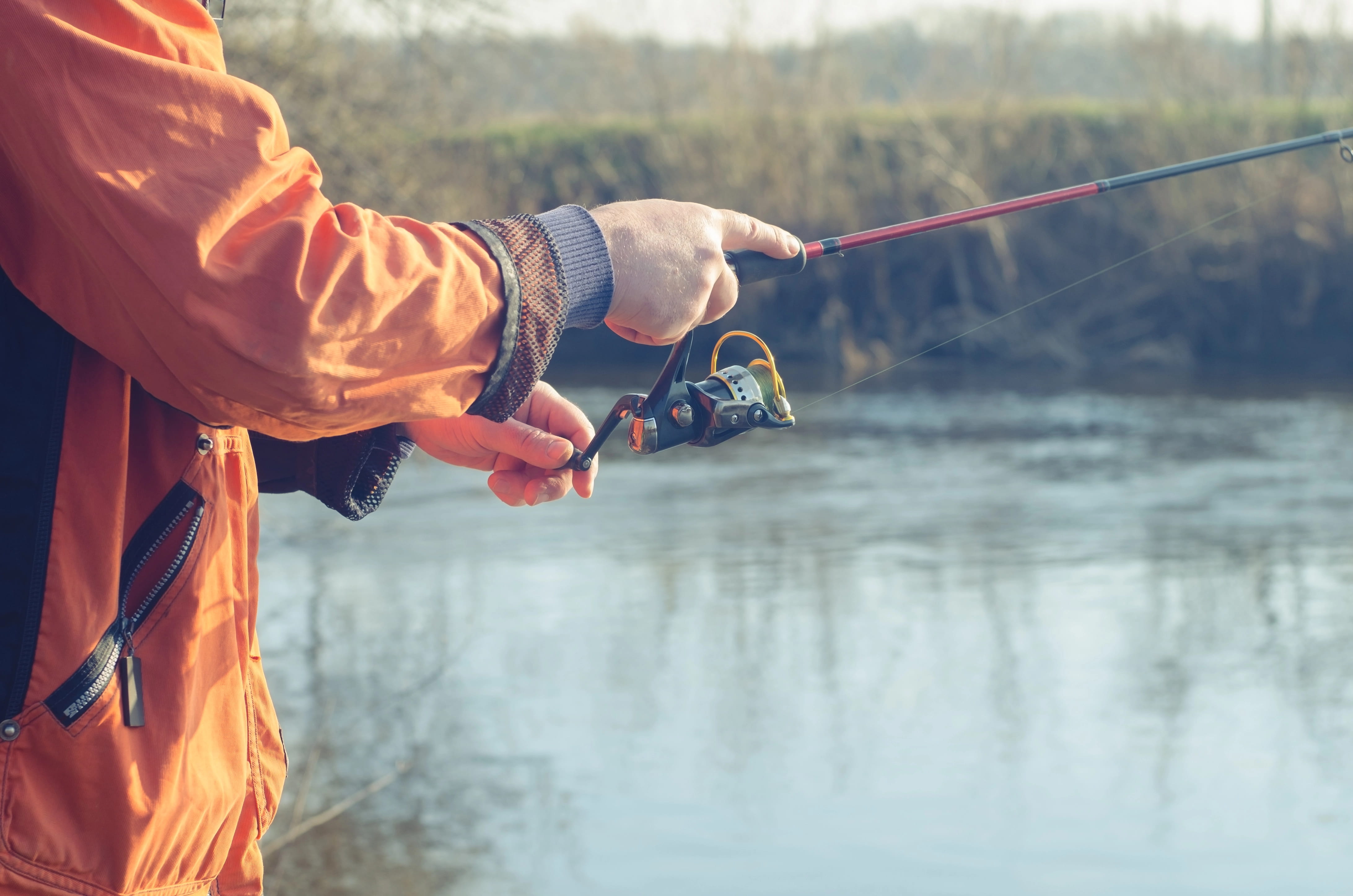
- Fishing — World-class salmon, trout, and pike fishing from boats and shore. Permits and boat hire available locally.
Heritage & Culture
- Scottish Crannog Centre — An award-winning reconstruction of an Iron Age loch dwelling near Kenmore, rebuilt following a fire and reopened with enhanced exhibits. A fascinating insight into how people lived on Loch Tay 2,500 years ago.
- Breadalbane Folklore Centre — Located in the historic St Fillan’s Mill in Killin, exploring local legends, clan history, and the story of the healing stones of St Fillan.
- Fortingall Yew — Possibly the oldest living thing in Europe, estimated at 3,000–5,000 years old, standing in the churchyard at Fortingall village a few miles from the loch.
- Taymouth Castle — The magnificent former seat of the Campbells of Breadalbane at Kenmore. The castle itself is currently undergoing restoration, but the grounds and surrounding estate are atmospheric.
Wildlife Around Loch Tay
The Loch Tay area supports an exceptional diversity of wildlife, thanks to the range of habitats — from deep freshwater to montane summit plateaux — compressed into a relatively small area.
Red Squirrels
Loch Tay is one of Scotland’s strongholds for the native red squirrel, which has been pushed out of most of England and southern Scotland by the invasive grey squirrel. The conifer and mixed woodlands around the loch, particularly along the south shore and in the forests above Killin, support healthy red squirrel populations. Look for them in Scots pine and spruce trees, especially in the early morning. Feeders at some lochside lodges and holiday parks attract regular visitors.
Red Deer
The hills around Loch Tay support one of Scotland’s largest red deer populations. During the summer, the herds are mainly on the high ground above 600m, but in winter they descend to lower slopes and can often be seen from the road, particularly along the A827 between Killin and Kenmore. The rut (mating season) in September and October is one of the great natural spectacles of the Scottish Highlands — stags roar across the glens, competing for hinds, and the sound of clashing antlers echoes through the hills. Watch from a safe distance and use binoculars; rutting stags are powerful and potentially dangerous.
Golden Eagles
The mountains above Loch Tay are home to several pairs of golden eagles — one of Britain’s most magnificent birds of prey. Eagles are most often seen soaring on thermals above the ridgelines of Ben Lawers and the surrounding hills, and patient observers with binoculars may be rewarded with sightings from the valley floor. The best time to spot eagles is during clear weather from late morning onwards, when thermal currents allow them to soar effortlessly. Look for a large bird with a wingspan of over 2 metres, soaring with flat or slightly raised wings — quite different from the more commonly seen buzzard, which holds its wings in a shallow V.
Ospreys
Ospreys — the spectacular fish-eating raptors that migrate to Scotland each spring from West Africa — fish on Loch Tay from April to September. Watching an osprey plunge feet-first into the loch to snatch a trout is one of the most thrilling wildlife encounters you can have in the Highlands. They can sometimes be seen from the loch shore, particularly in the mornings and evenings when they are most actively fishing. The nearest dedicated osprey viewing point is at Loch of the Lowes near Dunkeld, about 25 miles east, but Loch Tay itself provides regular sighting opportunities for patient observers.
Other Notable Wildlife
- Otters — Present throughout the loch system, though shy and mainly active at dawn and dusk. The quiet stretches of the south shore offer the best chances of a sighting.
- Pine martens — Increasingly common in the woodlands around the loch, these beautiful, cat-sized predators are mainly nocturnal but are occasionally seen at dusk.
- Mountain hares — Found on the higher slopes of Ben Lawers and surrounding hills, turning white in winter for camouflage.
- Peregrine falcons — Nest on crags around the loch and can sometimes be seen hunting at tremendous speed.
- Dippers and grey wagtails — Common along the rivers and burns, including the River Dochart at the falls.
- Black grouse — Present on the moorland edges, with leks (display grounds) active in spring.
Photography Spots: Best Golden Hour Locations
Loch Tay is a photographer’s paradise, with dramatic landscapes, atmospheric weather, and extraordinary light. Here are the best locations for golden hour photography:
Sunrise Locations
- Kenmore beach — Face west for sunrise reflections in the still morning water, with the loch stretching away towards Killin and the mountains. The sandy beach provides foreground interest, and mist often hangs on the water at dawn.
- The Crannog Centre — The reconstructed crannog near Kenmore makes a striking foreground subject with the loch and mountains behind in morning light.
- Falls of Dochart — The falls face roughly east-west, so early morning light catches the cascading water beautifully. Arrive early to have the bridge viewpoint to yourself.
Sunset Locations
- Ardeonaig viewpoint — From the south shore road, looking northwest across the loch towards Ben Lawers. The mountain catches the last light magnificently, and the reflections in the loch on a calm evening are breathtaking.
- Fearnan — The bay at Fearnan on the south shore faces northwest and is perfectly positioned for sunset views up the loch.
- The A827 layby east of Lawers — Several informal layby stops along the north shore road offer elevated views down the loch towards Kenmore, catching the sunset light from behind you for front-lit landscapes.
Other Photography Tips
- Inversions and mist: Autumn mornings frequently bring low-lying mist that fills the glen while the surrounding hills emerge above. This is best photographed from an elevated position — the minor road up to the Ben Lawers car park is ideal.
- Star photography: The loch area has relatively low light pollution, making it suitable for astrophotography. The darkest skies are along the south shore, away from the A827.
- Reflections: Still mornings (before 9am, especially May–September) provide mirror-perfect reflections of Ben Lawers and the surrounding hills. Kenmore and Ardeonaig are the best locations for reflection shots.
Local Festivals and Events
The Loch Tay area has a lively calendar of community events and festivals:
- Killin Highland Games — Held annually in August, with traditional Highland events including caber tossing, hammer throwing, Highland dancing, and piping competitions. A wonderful, authentic Highland gathering that feels more genuine than the larger, more commercial games.
- Kenmore Highland Games — A smaller but equally enjoyable games day, typically held in July.
- Killin Music Festival — A weekend of folk, traditional, and contemporary music held in Killin village, usually in June. A convivial event with sessions in the pubs and formal concerts.
- Loch Tay Food & Drink Festival — Celebrating local produce, including venison, salmon, cheese, and whisky from the surrounding area.
- Burns Night celebrations — January events at local hotels and pubs celebrating Scotland’s national poet with haggis suppers, poetry, and whisky.
- Hogmanay — New Year celebrations in Killin and Kenmore, with fireworks, ceilidh dancing, and traditional first-footing.
Side Trips from Loch Tay
The area around Loch Tay is rich with destinations that deserve exploration in their own right:
Glen Lyon
Scotland’s longest enclosed glen stretches for over 30 miles from the village of Fortingall westward to the dam at Loch Lyon. Often called “the longest, loneliest, and loveliest glen in Scotland” (a description attributed to Sir Walter Scott), Glen Lyon is a place of extraordinary beauty and deep history.
The glen road winds through ancient Caledonian pine woodland, past ruined shielings (summer grazing shelters), standing stones, and the atmospheric remains of medieval settlements. Key stops include the Bridge of Balgie (where a road connects over to the Ben Lawers car park), the tiny post office at the head of the glen, and the dramatic gorge at the glen’s entrance near Fortingall.
Glen Lyon is accessible from Kenmore via the B846 and the minor road from Fortingall, or from the Ben Lawers road via Bridge of Balgie. Allow at least half a day for a drive through the glen, more if you want to walk.
Fortingall and the Fortingall Yew
The tiny village of Fortingall, a few miles north of Kenmore, is home to what is believed to be the oldest living thing in Europe — the Fortingall Yew, a gnarled, ancient yew tree in the village churchyard. Estimates of its age range from 3,000 to 5,000 years, meaning it may have been a mature tree when the Egyptian pyramids were being built.
The tree is now heavily fragmented (Victorian tourists damaged it by taking cuttings as souvenirs), but it is still alive and growing, enclosed by a protective wall. The churchyard itself is beautiful and peaceful, and the village — with its thatched cottages and manicured gardens — is one of the prettiest in Perthshire.
Fortingall also claims, improbably, to be the birthplace of Pontius Pilate — a legend with no historical basis but considerable local enthusiasm.
Aberfeldy
The market town of Aberfeldy lies about 6 miles east of Kenmore and serves as the main service centre for the area. It’s worth a visit for:
- Dewar’s Aberfeldy Distillery — Offering tours and tastings of their single malt whisky
- The Birks of Aberfeldy — A beautiful woodland walk immortalised by Robert Burns, following a gorge trail with waterfalls
- The Wade Bridge — General Wade’s magnificent bridge over the Tay, built in 1733 and still in use
- The Watermill — An excellent independent bookshop, gallery, and cafe
- Castle Menzies — A 16th-century Z-plan castle, restored and open to visitors
Other Day Trips
- Queen’s View, Loch Tummel — One of the most famous viewpoints in Scotland, about 40 minutes east
- Blair Castle and Blair Atholl — The ancestral seat of Clan Murray, about 45 minutes northeast via the A9
- Loch Earn and St Fillans — Another beautiful Highland loch, about 30 minutes south
Driving the Loch Road
One of the great pleasures of visiting Loch Tay is simply driving the roads that encircle it. The complete circuit of the loch — north shore on the A827, south shore on the minor road — is approximately 35 miles and takes around 1.5–2 hours without stops (significantly longer with the inevitable photo stops and detours).
The North Shore (A827)
The main road runs along the north shore from Killin to Kenmore, passing through open farmland with constant views across the loch to the south shore hills. This is the faster of the two roads and the main route for through-traffic. Points of interest along the way include the turn-off to the Ben Lawers NTS car park, the scattered villages of Lawers and Fearnan, and several informal layby stops with loch views.
The South Shore Road
The south shore road is one of the hidden gems of the area — a narrow, winding single-track lane with passing places that hugs the loch shore through dense woodland and past isolated cottages. The driving is slow (inevitably and delightfully so) and the atmosphere is noticeably quieter and more intimate than the north shore.
Key stops include Ardeonaig (where the Ardeonaig Hotel provides a lovely lunch stop), the old church at Ardeonaig, and several points where the road drops to loch level and you can pull over beside the water. The south shore road is not suitable for large vehicles or caravans, and can be challenging in winter conditions.
For the best experience, drive the north shore in one direction and return on the south shore, or vice versa, to appreciate the contrasting characters of the two routes.
Cycling Around Loch Tay
The circuit of Loch Tay makes an excellent cycling route, covering approximately 35 miles with moderate elevation changes. The route is suitable for road bikes and touring bikes, though the south shore road’s surface can be rough in places, making a gravel or hybrid bike ideal.
The Route
Most cyclists start and finish in either Killin or Kenmore. The north shore (A827) is wider and carries more traffic but is generally well-surfaced. The south shore road is quieter and more scenic but narrower, with some potholes and rough sections.
A clockwise circuit (north shore outbound, south shore return) means you tackle the slightly busier road first while you’re fresh, and enjoy the quieter, more scenic south shore for the return leg.
Cycling Tips
- Allow 3–5 hours for the full circuit, depending on fitness and stops
- The climb from Killin to the Ben Lawers road junction on the A827 is the steepest section
- Carry food and water — There are limited facilities between Killin and Kenmore, particularly on the south shore
- Mountain biking — Several off-road trails and forest tracks in the surrounding hills offer excellent mountain biking. The forests above Killin and the tracks in Glen Lyon are popular with riders.
Where to Stay
Accommodation around Loch Tay ranges from wild camping under the stars to luxury country house hotels:
- Hotels — The Killin Hotel, Kenmore Hotel (one of Scotland’s oldest inns, dating from 1572), Fortingall Hotel, and Ardeonaig Hotel all offer character-filled stays with excellent food.
- Self-catering lodges — Loch Tay Highland Lodges and Mains of Taymouth offer well-appointed options for families and groups, many with hot tubs and loch views.
- B&Bs — Several family-run bed and breakfasts in Killin, Kenmore, and Fearnan provide warm Highland hospitality and local knowledge.
- Camping and glamping — Lochside campsites with stunning views, plus an increasing number of glamping pods, yurts, and shepherd’s huts for those who want the outdoor experience with added comfort.
- Wild camping — Scotland’s right-to-roam legislation allows responsible wild camping, and the shores of Loch Tay offer many potential spots. Follow the Scottish Outdoor Access Code: camp in small numbers, use a lightweight tent, leave no trace, and avoid camping in the same spot for more than two or three nights.
Where to Eat
Dining options are surprisingly good for such a rural area, with several establishments focusing on local and seasonal produce:
- Falls of Dochart Inn — Classic Highland pub with great food and an unbeatable view of the falls from the beer garden. Local venison, fish, and seasonal specials.
- Kenmore Hotel — Fine dining at Shutters restaurant with local produce in one of Scotland’s oldest coaching inns. The Burns Poem above the fireplace (written by Robert Burns during his visit in 1787) adds historical ambiance.
- The Courie Inn — Modern Scottish dining in Killin, with a focus on local ingredients and a welcoming atmosphere.
- Fortingall Hotel — An arts-and-crafts-style hotel with an excellent restaurant using estate and local produce. The Sunday lunch is particularly good.
- Ardeonaig Hotel — South shore dining in a beautifully remote setting. The menu focuses on foraged and locally sourced ingredients.
- MacGregor’s Community Store & Café — Community-owned organic shop and café in the heart of Killin. Great coffee and home baking.
- Tombreck Farm Shop — Organic rare-breed farm on the south shore of Loch Tay, selling free-range pork, venison, and lamb direct from the land.
- Thyme Deli & Bistro at Errichel — Award-winning farm bistro and artisan deli above Aberfeldy, with Scottish Thistle Award-winning food.
Getting Here
- By car — The A827 runs along the north shore from Killin to Kenmore. From the A9 (the main Perth–Inverness road), turn off at Ballinluig and follow the A827 west. From Glasgow or the west, approach via the A85 through Crianlarich and Glen Dochart. From Edinburgh, the A9 north to Ballinluig is the fastest route, though the road through Crieff and the Sma’ Glen is more scenic.
- By bus — Limited but functional bus services run from Stirling and Perth to Killin, operated by Stagecoach. Services are more frequent in summer but rarely more than a few per day. Check current timetables before relying on buses.
- Nearest railway stations — Crianlarich (14 miles west of Killin, on the West Highland Line) and Pitlochry (30 miles east, on the Highland Main Line). Both stations have connections to Glasgow and Edinburgh. From Crianlarich, you’ll need a bus, taxi, or car to reach Killin.
- By bike — Cycling to Loch Tay is a rewarding option for touring cyclists. The NCN Route 7 passes through the area, and the approach from any direction involves beautiful Highland scenery.
Best Time to Visit
Every season has its charm, but here’s a guide to choosing:
- May–June — Arguably the best time to visit. Long days (up to 18 hours of daylight in late June), wildflowers in the meadows and on the mountains, fewer midges than high summer, and the landscape at its greenest and most lush. Ospreys are fishing on the loch, and the mountain flora on Ben Lawers reaches its peak.
- July–August — Warmest weather and the busiest period. Great for watersports, swimming, and outdoor activities. Midges can be fierce on still, warm evenings — bring repellent. Book accommodation well in advance.
- September–October — Spectacular autumn colours, golden light, the deer rut, and thinning crowds. The water retains summer warmth for swimming. October brings the most vivid foliage colours, particularly in the birch woods along the south shore and on the island of Inchbuie at the Falls of Dochart.
- November–February — The quietest time. Atmospheric mists, roaring fires in the hotels, and the possibility of snow-covered mountains. Short days but dramatic winter light. Ben Lawers in winter is a serious mountaineering proposition requiring full winter equipment.
- March–April — Spring arrives gradually. Lambing season brings new life to the farms, snowdrops and then daffodils appear in the gardens, and the first ospreys return from Africa. Water temperatures are still cold, but the days are lengthening noticeably.
Final Thoughts
Loch Tay is one of those rare places that genuinely rewards every visit. It has the dramatic scenery to rival anywhere in the Scottish Highlands, the depth of history to satisfy the most curious mind, the outdoor activities to keep the most energetic family busy for a week, and the peace and beauty to restore the most frazzled soul. Come for a weekend and you’ll want a week. Come for a week and you’ll be planning your return before you’ve left.
What makes Loch Tay special — truly special — is that it hasn’t been discovered by the masses. While coaches queue at Loch Ness and Glencoe fills with visitors from dawn to dusk, Loch Tay remains a place where you can walk for hours without seeing another soul, paddle a kayak across water so still it mirrors the sky, and sit in a village pub where the locals know your name by the second evening. Long may it remain so.
Mentioned in this guide
Falls of Dochart Inn
Killin
Killin's iconic pub with a terrace overlooking the famous falls — great food, real ales, and Highland atmosphere.
The Courie Inn
Killin
Stylish boutique accommodation above one of Killin's best restaurants.
Shutters Restaurant & Coffee Shop
Killin
Popular Main Street café in Killin serving light lunches, excellent coffee, and legendary home baking.
Breadalbane Folklore Centre
Killin
Local history museum housed in the historic St Fillan's Mill, telling the stories and legends of the Breadalbane Highlands.
Scottish Crannog Centre
Kenmore
Award-winning open-air museum with a reconstructed Iron Age crannog on Loch Tay — one of Scotland's best heritage experiences.
Loch Tay Safaris
Killin
Guided boat tours and wildlife safaris on Loch Tay — see the loch from the water with expert local guides.
Kenmore Hotel
Kenmore
Scotland's oldest inn, established in 1572, with beautiful lochside setting and excellent dining.
Killin Hotel
Killin
Traditional Highland hotel in the heart of Killin village, a short walk from the Falls of Dochart.
Fortingall Hotel
Fortingall
Elegant country hotel with an outstanding restaurant, near the ancient Fortingall Yew and Glen Lyon.
Ardeonaig Hotel
Ardeonaig
A romantic, secluded lochside hotel on the peaceful south shore of Loch Tay.
Loch Tay Highland Lodges
Killin
Lochside log cabins and lodges with stunning views, hot tubs, and direct loch access.
Taymouth Castle
Kenmore
Grand Gothic Revival castle built for the Campbells of Breadalbane — currently being developed as a luxury hotel, with grounds occasionally accessible.
Fortingall Yew
Fortingall
One of the oldest living things in Europe — an ancient yew tree estimated at 3,000–5,000 years old, in the peaceful Fortingall churchyard.
Castle Menzies
Aberfeldy
Magnificent 16th-century Z-plan castle, lovingly restored by the Clan Menzies Society — open for tours April to October.
Birks of Aberfeldy
Aberfeldy
Beautiful woodland walk with waterfalls that inspired Robert Burns — an easy circular route through a dramatic gorge near Aberfeldy.
Loch Tay Sailing Club
Kenmore
Dinghy and yacht sailing on the beautiful waters of Loch Tay, with visitor sessions available from the Kenmore base.
Dewar's Aberfeldy Distillery
Aberfeldy
One of Scotland's finest Highland malt distilleries — tours, tastings, and an exceptional visitor shop.
MacGregor's Community Store & Café
Killin
Community-owned organic shop and café in the heart of Killin — local produce, proper coffee, and a genuine Highland welcome.
Tombreck Farm Shop
Lawers
Organic rare-breed farm on the south shore of Loch Tay, selling free-range pork, venison, lamb, and more direct from the land.
Thyme Deli & Bistro at Errichel
Aberfeldy
Award-winning farm bistro and artisan deli above Aberfeldy — Scottish Thistle Award winner for food tourism.