From kayaking and SUP to sailing and wild swimming, Loch Tay offers some of Scotland's best freshwater watersports in a stunning Highland setting.
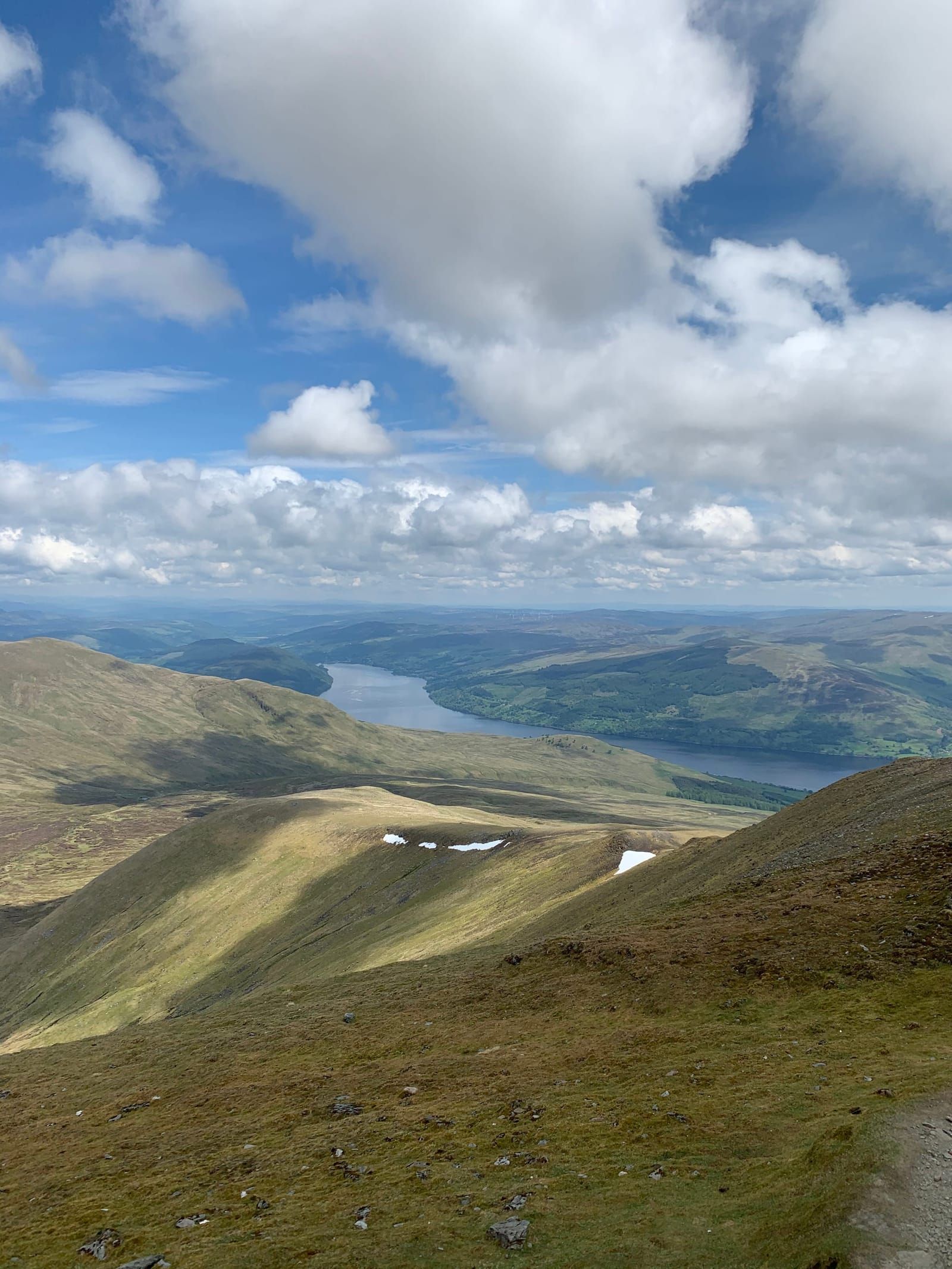
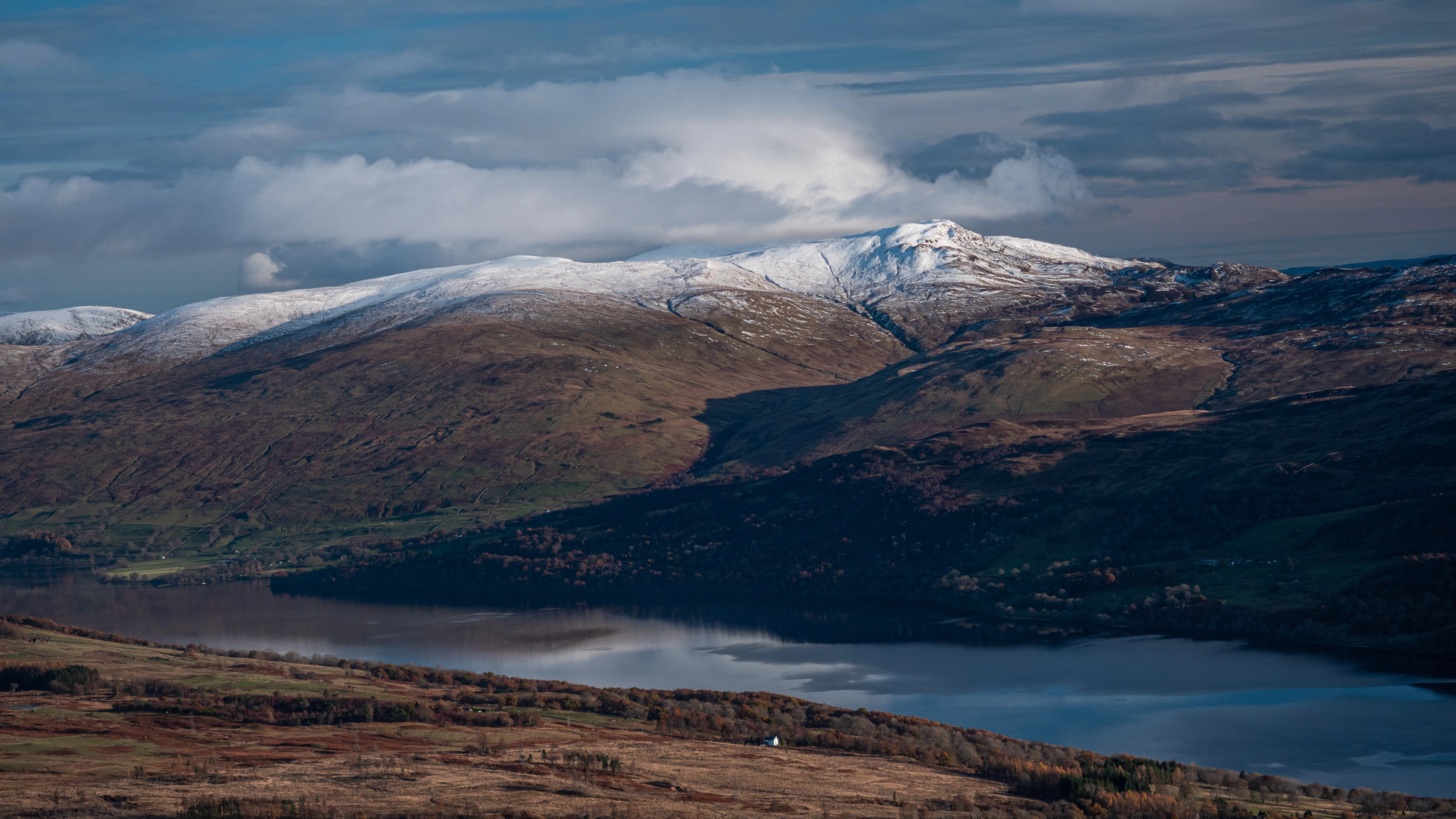
Loch Tay’s 14.5-mile stretch of relatively sheltered freshwater makes it one of the finest inland watersports destinations in Scotland. The loch is long and relatively narrow — typically around one mile wide — which means it rarely builds up the large swells that can make sea kayaking or coastal paddleboarding tricky for beginners. Its position, cradled between the mighty Ben Lawers range to the north and the gentler hills of Glen Lyon’s southern approaches, creates a natural corridor that is both breathtakingly scenic and remarkably well-suited to a wide range of on-the-water activities.
That said, this is still a Highland loch. Conditions can change quickly, winds can funnel through the glen with surprising force, and the water is cold year-round. Respect the environment, prepare properly, and you’ll have the time of your life on what many paddlers and swimmers consider one of Scotland’s best-kept secrets.
Kayaking & Canoeing
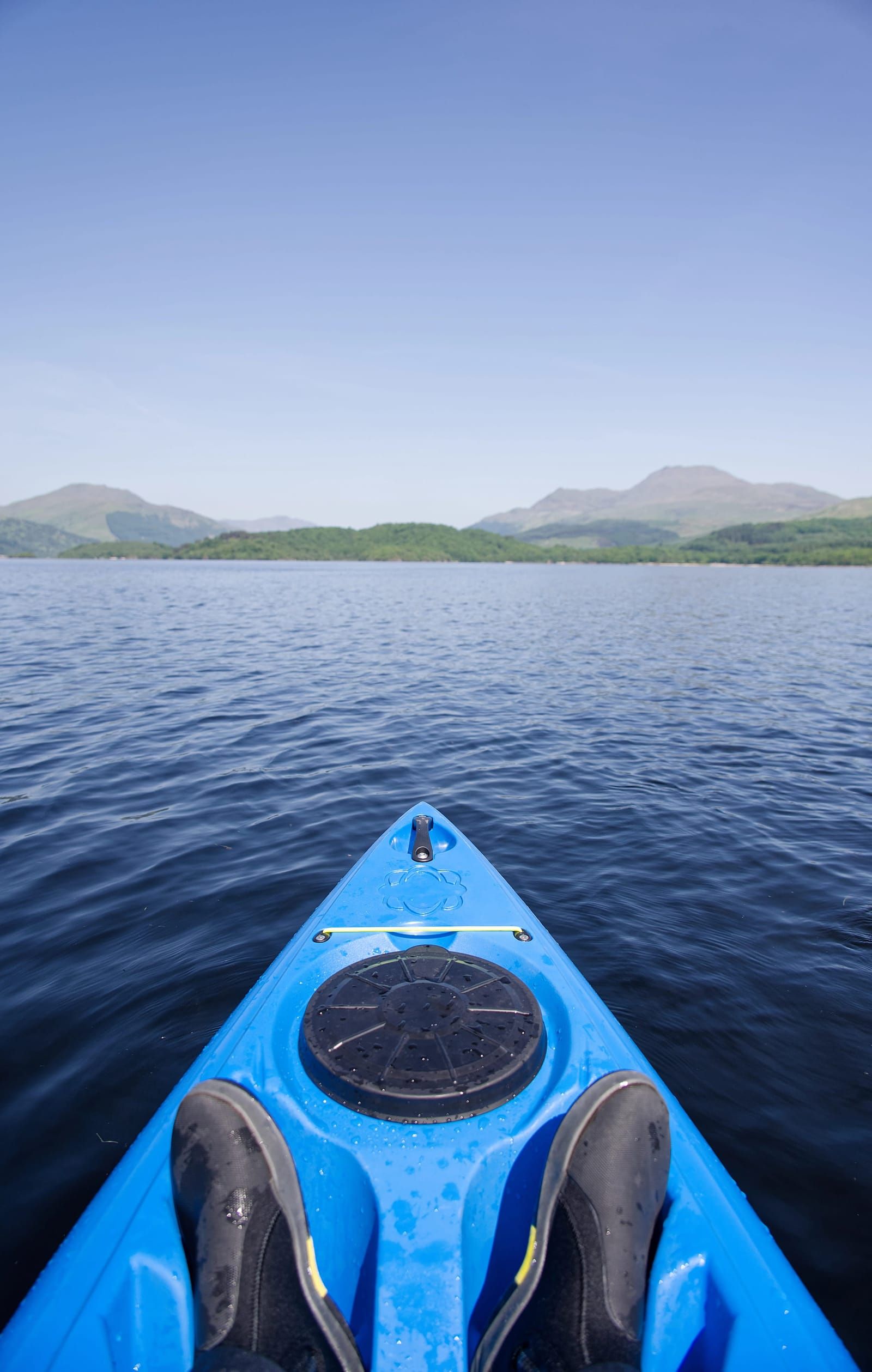
Kayaking is arguably the best way to experience Loch Tay. From the water, you gain perspectives that are simply impossible from the road — hidden bays tucked beneath overhanging alders, ancient lochside ruins accessible only from the waterline, and close encounters with wildlife including herons, red-breasted mergansers, and the occasional otter slipping along the shoreline.
North Shore vs South Shore Routes
The two shores of Loch Tay offer distinctly different kayaking experiences, and understanding the difference helps you plan the ideal trip.
The north shore is dominated by the dramatic flanks of the Ben Lawers range, which rise steeply from the waterline. Paddling along the north side puts you in the shadow of some of Scotland’s highest mountains, and the depth of the loch close to this shore means the water takes on a deep, dark quality. The north shore is more exposed to prevailing southwesterly winds, which can create choppy conditions, but early morning paddles here — before the thermals build — are some of the most atmospheric experiences on the loch. Look out for waterfalls cascading down the hillside after rain, particularly between Lawers village and Fearnan.
The south shore is generally more sheltered and has a gentler character. The road along the south side is a single-track lane rather than the busier A827 on the north, so the atmosphere is quieter and more remote. The bays at Ardeonaig and the stretches beyond the old church make for excellent intermediate paddling, with plenty of places to pull ashore for a rest or a picnic. Several small beaches and rocky promontories break up the shoreline, offering natural stopping points.
For experienced paddlers, a full loch traverse from Killin to Kenmore (or vice versa) is a magnificent day-long expedition of roughly 15 miles. Most paddlers allow 6–8 hours for this, depending on conditions. You can arrange a shuttle at either end, or make it a two-day trip with a wild camp at Ardeonaig or one of the discreet spots along the south shore. Paddling west to east is often favoured, as the prevailing wind gives you a push towards Kenmore.
Guided Trips and Operators
Several operators offer guided kayaking experiences on and around Loch Tay:
- Half-day introductory paddles — Suitable for complete beginners, these typically cover 3–5 miles of sheltered shoreline with full instruction
- Full-day loch explorations — For those with some experience, covering larger stretches and often including lunch on a remote beach
- Multi-day camping expeditions — Paddle the full length of the loch over two or three days, wild camping on the shore each night
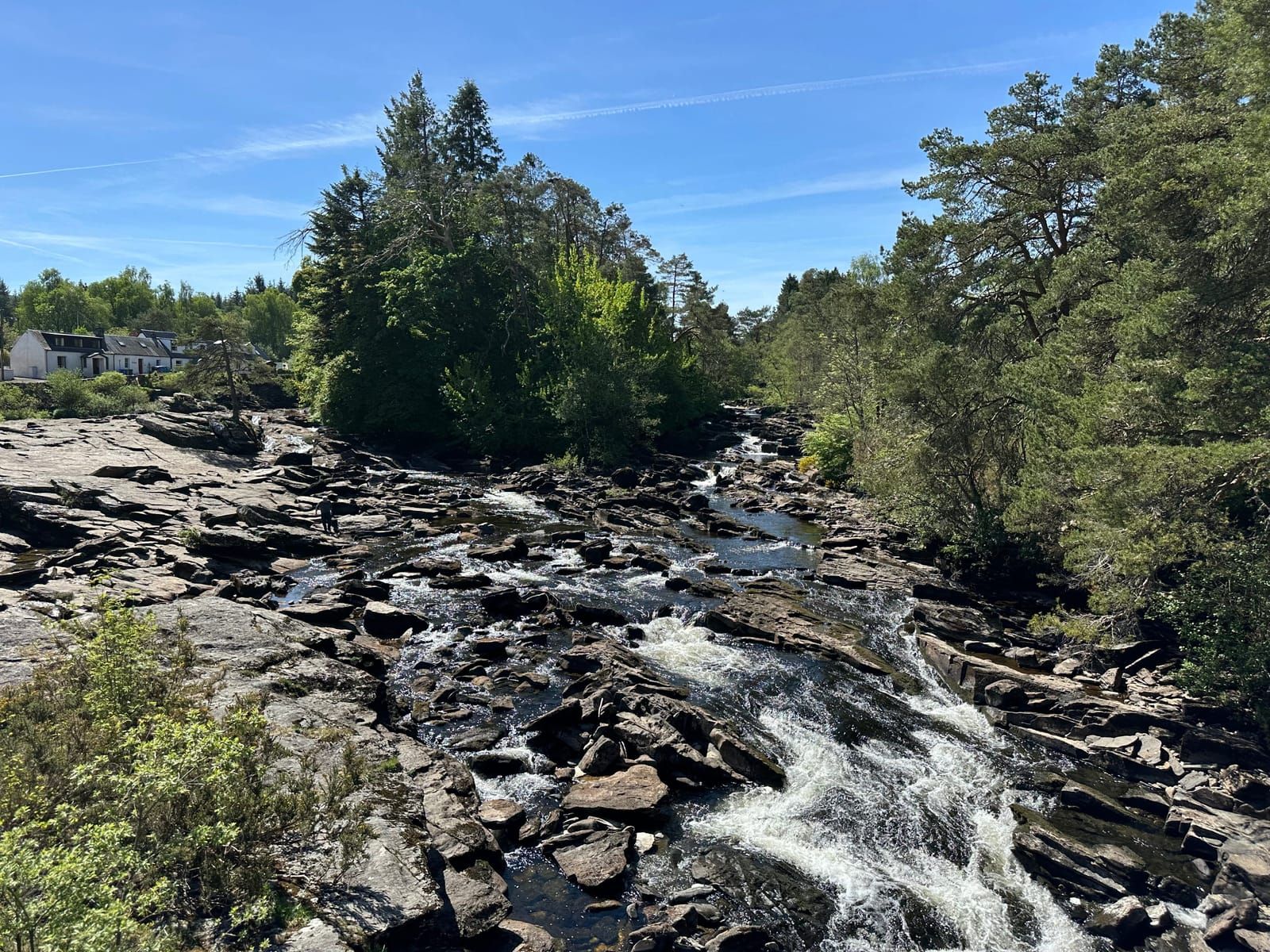
- White-water kayaking on the River Dochart — For experienced paddlers, the Dochart offers some thrilling grade 2–3 rapids, particularly after rainfall
Killin Outdoor Centre is one of the best-established operators in the area, offering equipment hire, guided sessions, and instruction for all levels. Based right in Killin village, they have easy access to both the loch and the River Dochart, and their instructors have deep local knowledge of conditions and routes.
Loch Tay Safaris offers a different perspective — guided boat-based wildlife and heritage tours of the loch that can be combined with kayaking or paddleboarding sessions. Their local knowledge of the loch’s ecology and history adds a fascinating dimension to any trip on the water.
Self-Guided Kayaking
If you have your own kit (or hire it), popular launch points include:
- Killin pier — At the western end of the loch, with easy access and parking nearby. A good starting point for exploring the shallow, island-dotted western basin.
- Ardeonaig — Roughly halfway along the south shore, this is a quieter launch point with a beautiful bay. Ideal for a half-day paddle in either direction.
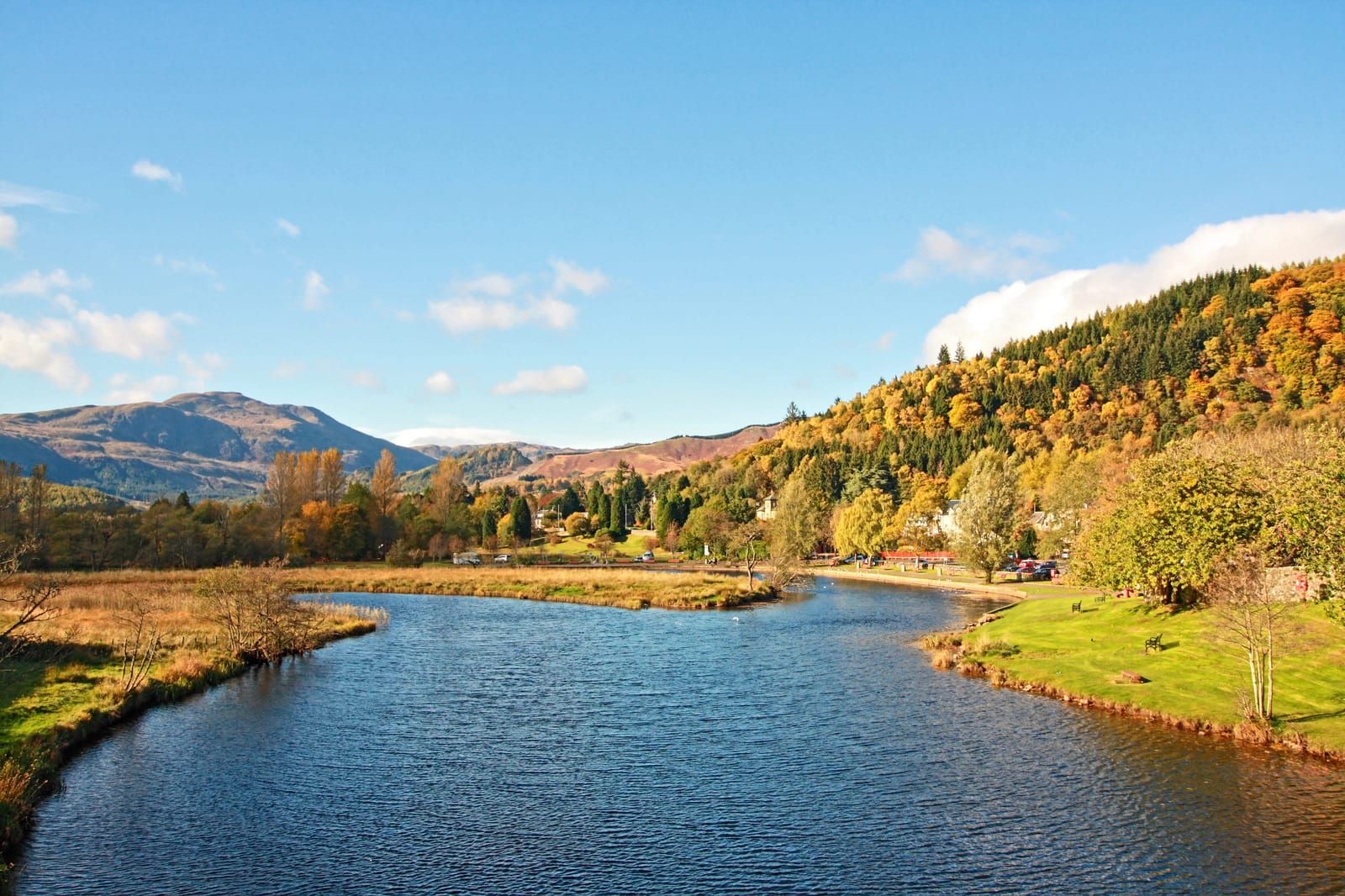
- Kenmore — The eastern end of the loch, where the River Tay begins. The beach at Kenmore is a gentle launch spot, and you can paddle westwards along either shore.
Canoeing the Full Loch
Open canoes are particularly well-suited to Loch Tay, as they allow you to carry camping gear, fishing rods, and picnic supplies with ease. A two-day canoe expedition from Killin to Kenmore, with an overnight camp on the south shore, is one of the classic Scottish freshwater canoe trips. The loch’s relatively predictable conditions (compared to sea lochs) make it an excellent choice for intermediate canoeists looking to step up from river paddling to multi-day loch crossings.
Stand-Up Paddleboarding (SUP)
SUP has exploded in popularity on Loch Tay, and it’s easy to see why. The calm morning waters before the wind picks up are ideal for beginners, and the scenery from a paddleboard — standing slightly elevated above the water surface — offers a uniquely immersive perspective on the surrounding mountains.
Best SUP Spots on Loch Tay
- Kenmore beach — The gentle, sandy entry and shallow water make this the best spot for beginners. The water is relatively calm in the bay, and you can paddle along the attractive shoreline towards the Kenmore Hotel and the point where the River Tay exits the loch.
- Fearnan bay — A sheltered bay on the south shore that stays calm even when the main body of the loch is breezy. A real hidden gem for SUP, with lovely views up to Ben Lawers.
- Killin pier area — Convenient access and close to facilities. Paddle out into the western basin and explore the shallow, weedy areas where pike lurk and waterfowl nest.
- Ardeonaig — For more confident paddlers, the stretch of water around Ardeonaig is scenic and usually quieter than the loch ends.
Tips for SUP on Loch Tay
- Go early — Before 10am is usually calmest, as thermal winds tend to build during the day. Dawn sessions, if you can manage them, are genuinely magical — mist rising off the water, mountains reflected perfectly, and often not another soul in sight.
- Stay close to shore — The loch centre can become exposed very quickly when wind picks up. A good rule is to never be further from shore than you could comfortably swim.
- Wear a wetsuit — Even in summer, the water rarely exceeds 15°C. A 3/2mm wetsuit is recommended May–September; in spring and autumn, a 4/3mm or thicker.
- Carry a whistle and phone in a dry bag — Standard safety practice on any open water.
- Check the forecast — Wind is the main hazard. The Mountain Weather Information Service (MWIS) forecast for the Southern Highlands gives useful wind predictions for the area. If winds above 15mph are forecast, stick to sheltered bays or consider a different activity.
- Use a leash — Always wear a coiled SUP leash attached to your ankle or calf. On a loch this size, a board blown away from you in the wind is a serious safety issue.
Wild Swimming
Wild swimming in Loch Tay is an extraordinary experience that has grown enormously in popularity in recent years. The water is clean, the settings are spectacular, and there’s nothing quite like floating in a Highland loch with Ben Lawers towering above you and the only sound the call of an oystercatcher along the shore.
Best Wild Swimming Entry Points
- Kenmore beach — The most popular and family-friendly swimming spot on the loch. A sandy beach shelves gently into the water, making it easy to wade in gradually. The bay is relatively sheltered, and the village facilities (toilets, cafes, pub) are steps away. On warm summer days, this feels almost Mediterranean — until you feel the water temperature.
- Ardeonaig bay — A quieter alternative with a rocky entry and beautiful views in both directions along the loch. The bay is sheltered and the water is clean and clear. There’s a lovely feeling of remoteness here, even though the road is nearby.
- Killin pier area — Easy access and close to the village, making it a convenient spot for a quick dip. The water is slightly shallower here at the loch’s western end.
- Fearnan bay — Sheltered and relatively quiet, with a gentle entry over pebbles. Popular with local swimmers who know the loch well.
- Lawers shore — On the north side, below the old village of Lawers, there are several accessible entry points with views across to the south shore hills. Less visited than the more obvious spots.
Water Temperature by Season
Understanding Loch Tay’s water temperature helps you plan and prepare:
- December–March: 4–6°C — Only for experienced cold-water swimmers with appropriate safety measures. Ice can form in sheltered bays during prolonged cold spells.
- April–May: 7–10°C — Still very cold. A wetsuit is essential for all but the briefest dips.
- June–July: 11–14°C — Comfortable for acclimatised swimmers. Most people will want at least a shorty wetsuit.
- August: 14–16°C — The warmest the loch typically gets. Manageable for most swimmers without a wetsuit for shorter swims.
- September–October: 11–14°C — Cooling again, but still very swimmable with a wetsuit.
- November: 7–9°C — Back to cold-water territory.
Wild Swimming Safety
- Cold water shock is the biggest danger. Enter the water gradually, controlling your breathing. Never jump or dive into cold water.
- No lifeguards — You swim entirely at your own risk.
- Tell someone — Let someone know where you’re swimming and when you expect to return.
- Don’t swim alone — Or at least swim close to shore if you do, and ensure someone onshore is watching.
- Be visible — Wear a brightly coloured swim cap. A tow float is excellent for visibility and provides something to rest on if needed.
- Know your limits — Cold water saps energy faster than you expect. Start with short swims and build up gradually.
Sailing
Loch Tay Sailing Club is based at Kenmore and has been running since the 1960s, providing a friendly and welcoming environment for both experienced sailors and newcomers. The club runs regular racing series and social sails throughout the season, which typically runs from April to October. Visitors and holidaymakers are usually welcome to join as crew — it’s worth contacting the club in advance to arrange this.
The loch’s thermal winds provide reliable sailing conditions in summer. The typical pattern sees calm mornings giving way to a southwesterly or westerly breeze building from late morning, often providing Force 2–4 conditions ideal for dinghy sailing. The loch’s length means you can get some excellent reaches, while its width is manageable enough to avoid the intimidating open-water feeling of larger bodies.
The club sails a variety of dinghy classes, and occasional keelboat events take place. Annual regattas and open events draw sailors from across central Scotland.
Windsurfing
Loch Tay’s wind patterns also make it a viable windsurfing venue, though it is less well-known for this than some Scottish lochs. The afternoon thermals that build along the loch can provide consistent Force 3–4 conditions, particularly in the central and eastern stretches. The Kenmore end tends to be the most popular area for windsurfers, thanks to the easy beach launch and the reliable afternoon breeze.
Windsurfing on the loch requires a wetsuit year-round and a reasonable level of experience — the water temperature means that a capsize in early season is a serious matter. There is no dedicated windsurfing hire on the loch at the time of writing, so you’ll need your own equipment.
Fishing from Boats
While fishing on Loch Tay is covered in detail in our dedicated fishing guide, it’s worth noting here that fishing from boats is one of the most popular activities on the water. Traditional rowing boats drifting for brown trout, motor boats trolling for salmon, and even kayak fishing for pike are all part of the Loch Tay scene. Boat hire is available from several operators around the loch, and a day on the water with a rod — even if you catch nothing — is one of the finest ways to experience the landscape.
Where to Hire Gear
Several operators around the loch offer equipment hire for watersports:
- Killin Outdoor Centre — Kayaks (single and double), canoes, stand-up paddleboards, wetsuits, buoyancy aids, and dry bags. They also offer instruction and guided sessions, making them an excellent one-stop shop for visitors.
- Loch Tay Safaris — Boat tours and wildlife safaris on the loch, with options to combine with paddleboarding or kayaking.
- Loch Tay Sailing Club — Dinghy and yacht sailing from Kenmore, with visitor sessions available.
- Local hotels — Some lochside hotels, including the Ardeonaig Hotel, can arrange equipment hire or recommend local operators.
Booking in advance is strongly recommended during July and August, when demand peaks. Midweek availability is generally better than weekends throughout the summer season.
Guided Tours and Experiences
Beyond simple equipment hire, several operators offer structured experiences that add context, safety, and local knowledge to your time on the water:
- Wildlife kayaking tours — Paddle with a guide who knows where the otters fish, the ospreys hunt, and the herons nest. Dawn and dusk tours are particularly rewarding for wildlife.
- Historical loch tours — Learn about the crannogs, the ancient settlements, and the clan history of the loch from the water.
- SUP yoga — Offered occasionally during summer, combining paddleboarding with yoga for a unique experience on the loch.
- Family adventure packages — Combining kayaking, SUP, and swimming into a half-day or full-day family activity session.
Safety Considerations for All Watersports
Loch Tay is a large, cold body of water, and all watersport participants should take safety seriously:
- Cold water — The loch is cold year-round. Hypothermia is a real risk, especially for anyone who capsizes or falls in unexpectedly. Wetsuits, drysuits, or appropriate thermal protection should be worn.
- Wind — The loch’s orientation means it can channel wind, creating whitecaps and choppy conditions surprisingly quickly. Always check the forecast before going out, and be prepared to change plans.
- Distance from shore — The loch is up to a mile wide. If you’re in the middle and something goes wrong, help is a long way off. Stay within your comfort zone and ability.
- Communication — Carry a fully charged phone in a waterproof case or dry bag. A whistle is a basic but effective signalling device.
- Buoyancy aids — Should be worn at all times for kayaking, canoeing, SUP, and sailing. No exceptions.
- Local knowledge — If in doubt, ask locally. The operators, hotels, and outdoor centres around the loch have years of experience and are happy to advise on conditions.
Weather Windows and Best Months
Understanding Loch Tay’s seasonal patterns helps you choose the right time for your preferred watersport:
- May–June — The best all-round months. Days are long (up to 18 hours of daylight in June), water temperatures are rising, and the summer crowds haven’t yet arrived. Midges can appear from late May but are generally less intense than July.
- July–August — Warmest water and air temperatures. The busiest months, so book equipment hire well in advance. Midges can be fierce on still evenings. Thunderstorms are possible but usually brief.
- September — An underrated month for watersports. The water retains summer warmth, crowds thin dramatically, and the autumn colours beginning around the loch create a stunning backdrop.
- Early morning — Regardless of month, the calmest conditions are almost always before 10am. This is the golden window for SUP, wild swimming, and photography from the water.
- Avoid — Windy days on the open loch, especially for SUP and kayaking. If whitecaps are visible from shore, conditions on the water will be challenging.
Loch Tay is one of Scotland’s great watersports venues — diverse enough to offer something for every skill level, beautiful enough to make every moment on the water memorable, and wild enough to remind you that you’re in the Highlands. Whether you’re a first-time paddler nervously climbing onto a SUP at Kenmore beach, or an experienced sea kayaker embarking on a full loch traverse, the combination of mountain scenery, clean water, and genuine Highland atmosphere is hard to beat anywhere in Britain.
Mentioned in this guide
Loch Tay Safaris
Killin
Guided boat tours and wildlife safaris on Loch Tay — see the loch from the water with expert local guides.
Kenmore Hotel
Kenmore
Scotland's oldest inn, established in 1572, with beautiful lochside setting and excellent dining.
Ardeonaig Hotel
Ardeonaig
A romantic, secluded lochside hotel on the peaceful south shore of Loch Tay.
Loch Tay Sailing Club
Kenmore
Dinghy and yacht sailing on the beautiful waters of Loch Tay, with visitor sessions available from the Kenmore base.